Total Lunar Eclipse on March 3, 2026 — Last One Until New Year’s Eve 2028
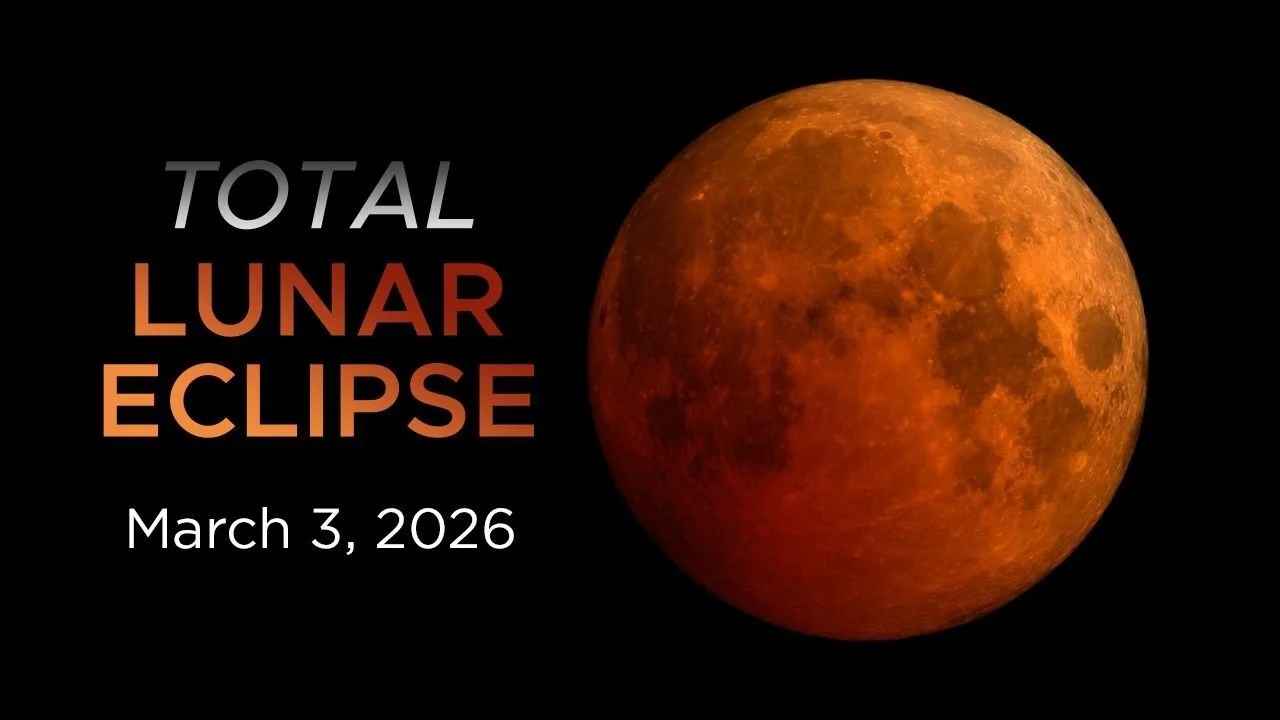
On March 3, 2026, people within Asia, Australia, and North America will see the Moon change in color from its typical gray hue in the night sky into a red hue—a thing that you might not see every day in a typical evening. This red hue will cover the entire Moon for hours, from start to finish, and the Moon will return to its normal color.
This occurrence is called a Full Lunar Eclipse, in which the Earth passes directly between the Sun and the Moon, casting its shadow on the Moon during a full moon phase. This lunar eclipse is the last for the next three years, with the next one occurring exactly on New Year's Eve to New Year's Day on December 31, 2027, to January 1, 2028.
In this article, we will talk about where and when some places will see this Full Lunar Eclipse and what to expect during this celestial event. We will show you a website where you can accurately pinpoint your city to check if you have a chance of seeing this rare celestial event. And if your location might not be mentioned in this one, don’t fret. We’ll also talk about where you can watch the eclipse unfold on online platforms.
What places can see the eclipse?
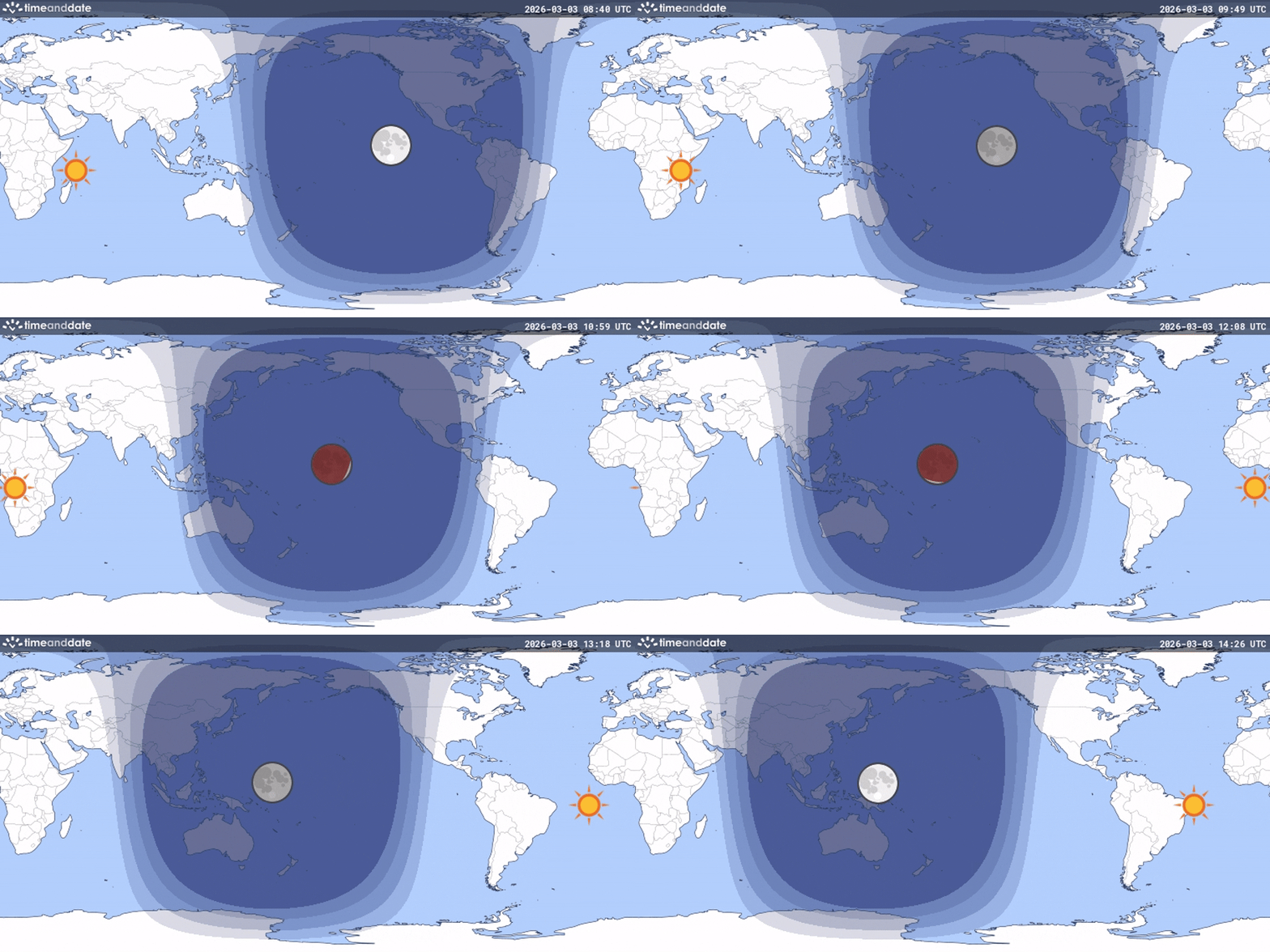
According to an article posted by the National Aeronautics and Space Administration (NASA) about this eclipse, the continents that will see it are Asia, Australia, and North America. However, if you want to pinpoint your exact location and check eclipse timings in your area, you can use this page by “timeanddate” (click here) to enter your location and see if you stand a chance during this rare celestial event.
What should I expect?
During a total lunar eclipse, you can expect the Moon to slowly darken and eventually turn a reddish or copper color, which may remind you of a dimly glowing ember in the night sky. Instead of the Sun being covered like in a solar eclipse, it is the Moon that passes completely into Earth’s shadow. This event happens when the Earth moves directly between the Sun and the Moon, blocking the Sun’s direct light from reaching the Moon.
As the Moon enters the darkest part of Earth’s shadow (the umbra), it does not disappear entirely. Instead, it takes on a red or orange hue. This event occurs because Earth’s atmosphere bends and filters sunlight, scattering shorter blue wavelengths and allowing mostly red light to pass through and reach the Moon. The result is the dramatic “Blood Moon” effect seen during totality.
You must also remember that watching lunar eclipses do not require any special protective equipment. Using any optical equipment, such as binoculars or a telescope, will improve your view though.
Where can I watch the lunar eclipse, if I'm not in the locations stated?
If you are not in one of the locations stated—don’t fret! Timeanddate has a livestream scheduled for it, here below!
This is KYNNMASTER 123 for The Weekly Spaceman, see you in the next one! 😊
SOURCES AND CREDITS ARE IN EACH SUBTOPICS AS IT AUTOMATICALLY REDIRECTS TO THE SOCIAL MEDIA SITE USED FOR UPLOADING THE DATA, PHOTOS, AND VIDEOS!