SpaceX and NASA prepare for Crew-12 mission to the International Space Station
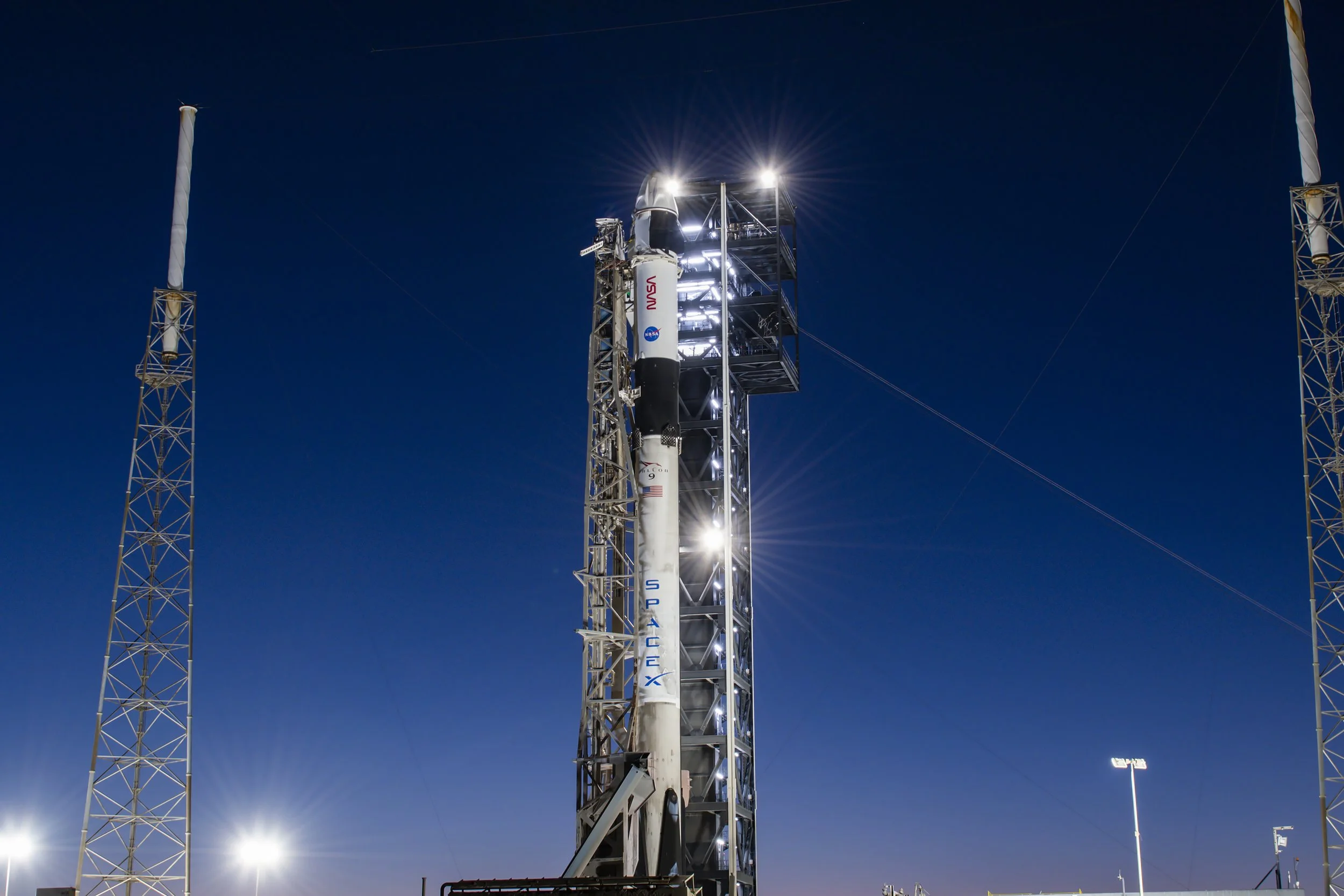
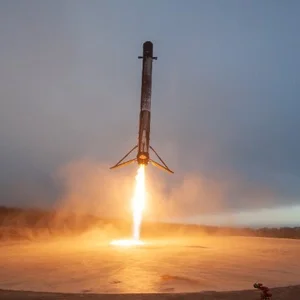
FLORIDA, USA: SpaceX and NASA are currently preparing for the launch of the Crew-12 mission to the International Space Station (ISS). Liftoff is currently planned for February 11, 2026, at 6:01 AM EST. The rocket will launch from Space Launch Complex 40 (SLC-40) at the Cape Canaveral Space Force Station in Florida, USA, which will also feature the first-ever return-to-launch-site (RTLS) landing on the newly made Landing Zone - 40 (LZ-40) located near the launch pad itself.
Riding on a Falcon 9 rocket aboard the Crew Dragon C212 (Freedom) spacecraft, this mission is planned to carry four new crew members, replacing the Crew-11 members, who had to return early due to a medical emergency involving one of the astronauts. This mission will not only carry crew but also cargo and experiments to the station. As of now, over 200 scientific experiments are planned for this mission.
The mission continues NASA’s Commercial Crew Program, aimed at maintaining a continuous human presence in low-Earth orbit. Let us learn more about the details.
Table of Contents
For those who want to browse quickly through the article's contents, a table of contents page is provided for your convenience. Click on the specific part you are curious about and enjoy reading!
1. Vehicles utilized for the mission
Vehicles utilized for the mission
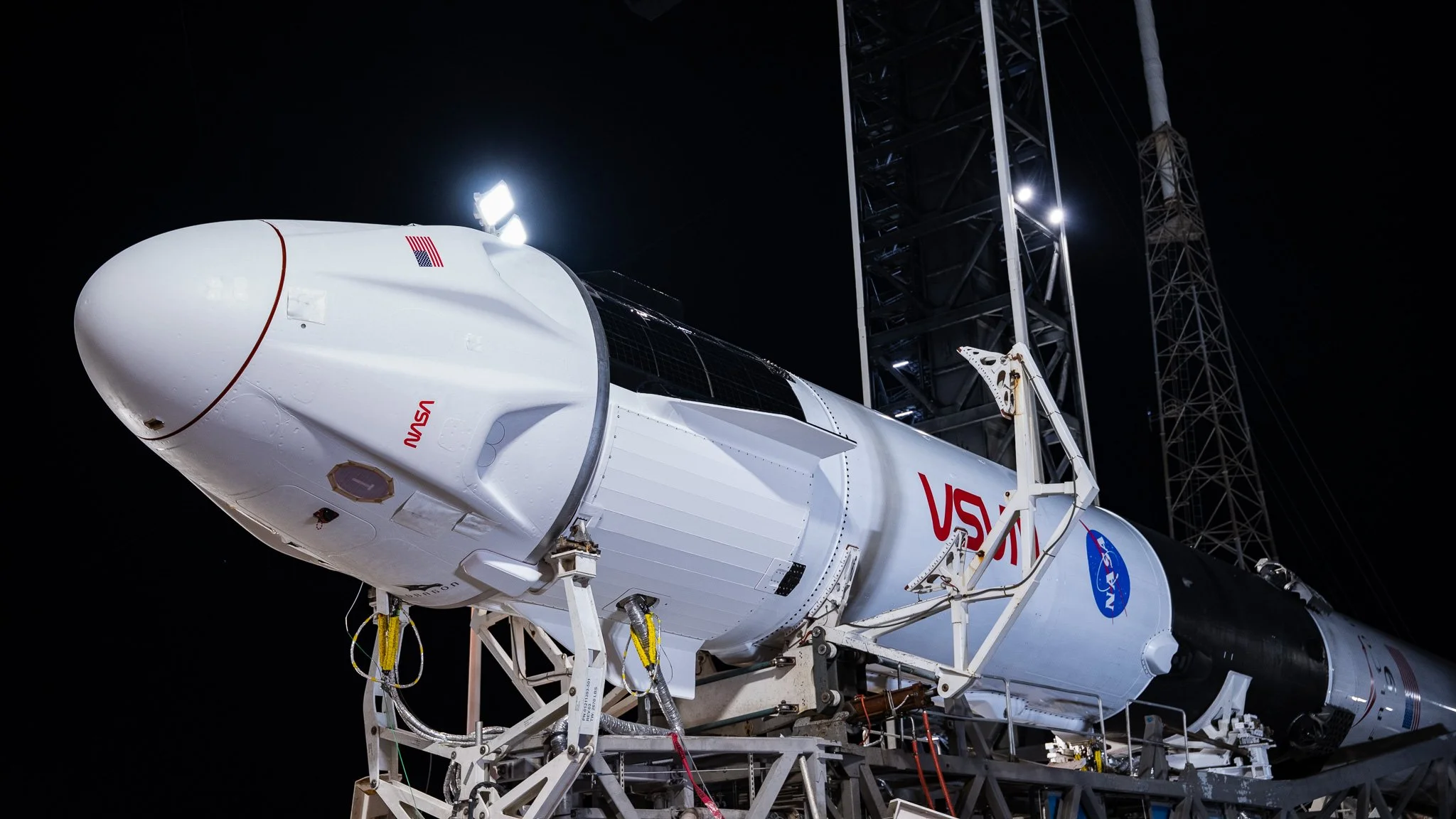
The Crew Dragon spacecraft used for this mission is the C212 Dragon Spacecraft named Freedom, which is currently on its fifth flight to the International Space Station.
Aside from the Crew Dragon spacecraft, the Falcon 9 that carried it into space is B1101, which is currently on its second flight. The booster previously launched a single Starlink mission.
Meet the crew
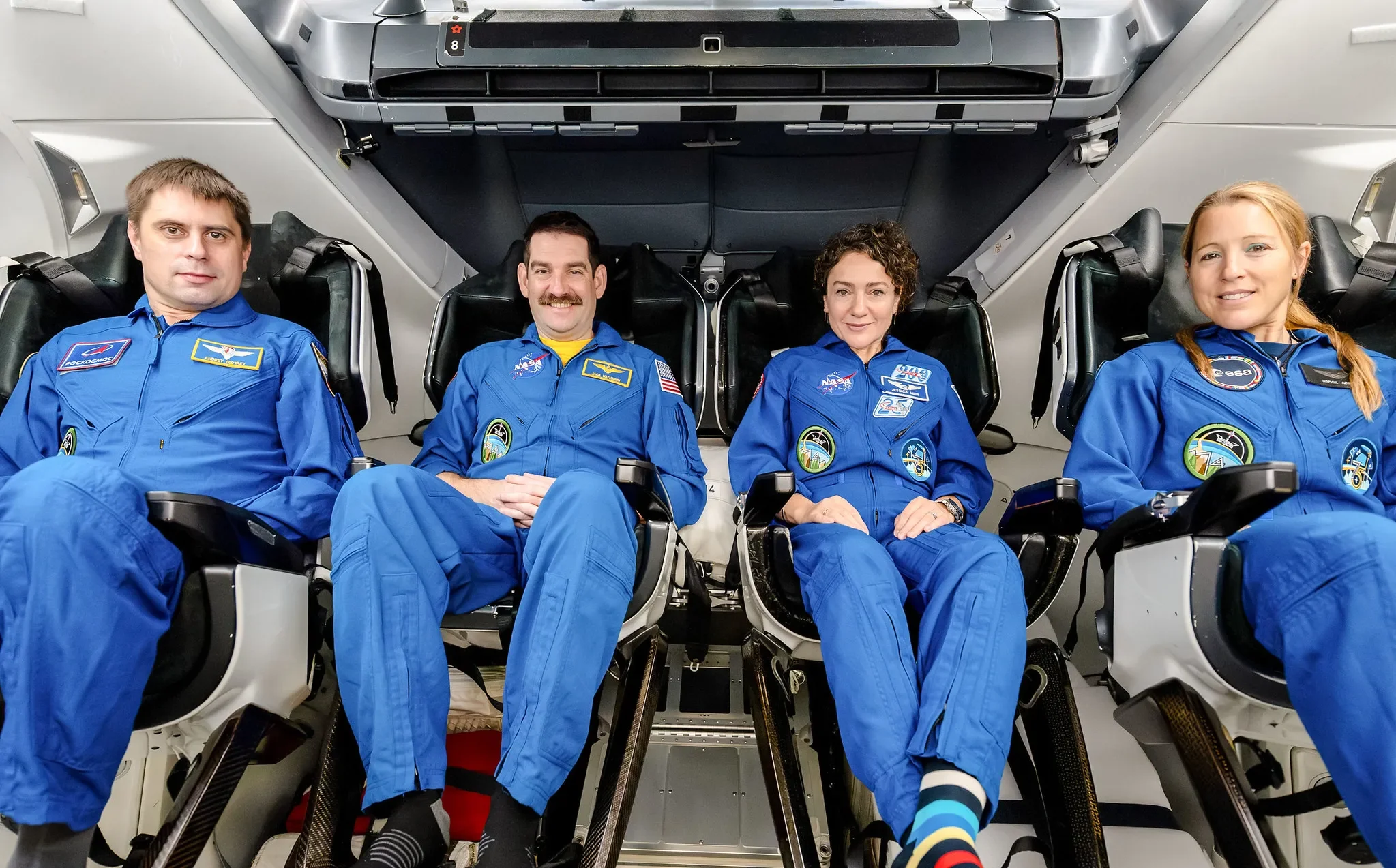
This mission will carry four crew members from three countries to the international outpost: two from the United States and one each from Russia and France. Two of the astronauts will be flying to space for the second time, while the other two will have their first. Let’s learn a little background on the four and how they contribute to the success of this mission.
Portrait Photos From: SpaceX - NASA Crew-12
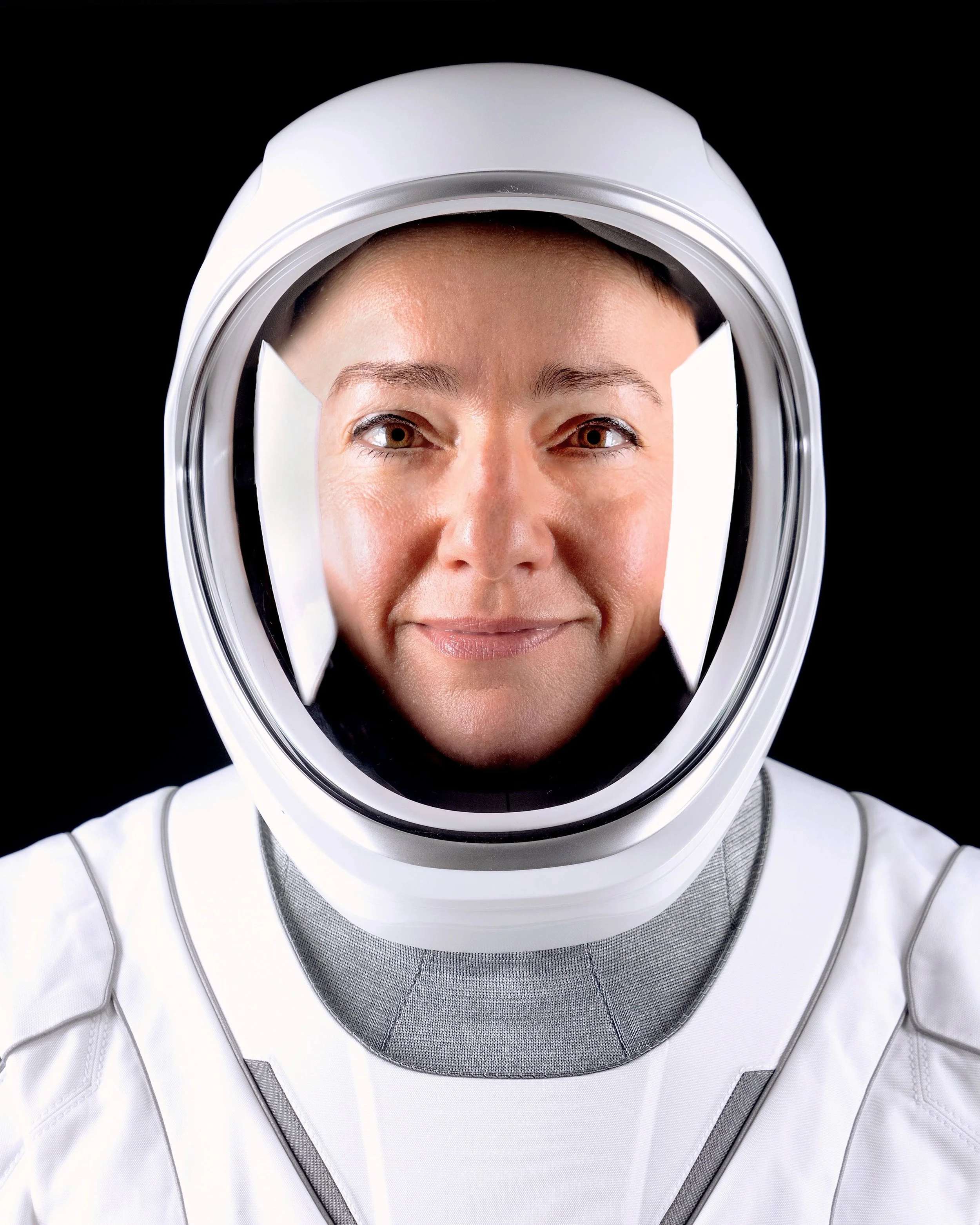
Jessica Meir
MISSION ROLE: Mission Commander
COUNTRY REPRESENTED: United States (NASA)
SPACEFLIGHT EXPERIENCE: Meir will fly to space for the second time during this mission. She served as a flight engineer on Expeditions 61/62 aboard the ISS from 2019 to 2020, during which her mission lasted roughly 205 days. She has conducted multiple spacewalks, including significant all-female EVAs totaling 21 hours.
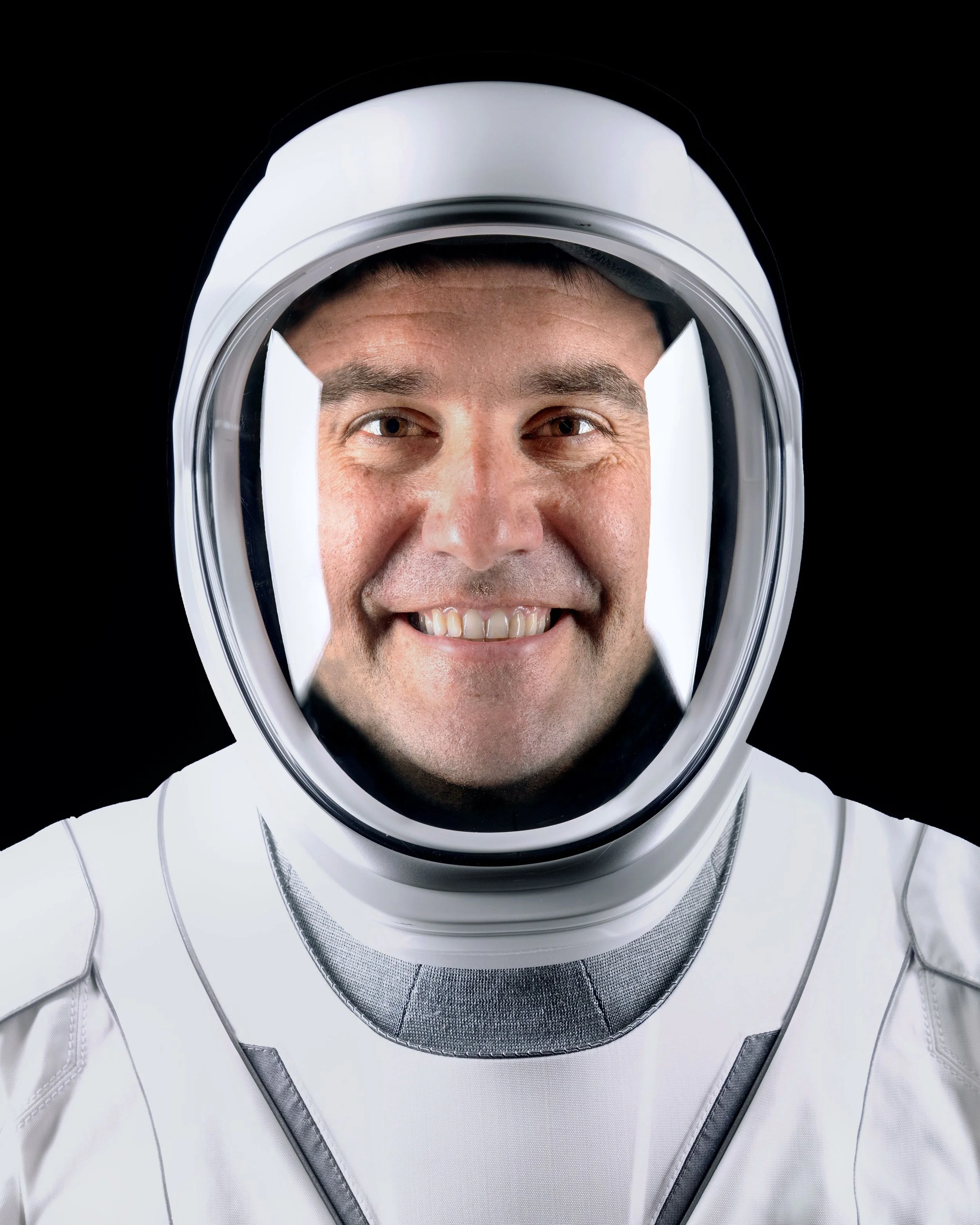
Jack Hathaway
MISSION ROLE: Pilot
COUNTRY REPRESENTED: United States (NASA)
SPACEFLIGHT EXPERIENCE: Hathaway will fly to space for the first time during this mission, which means he has no prior missions before this one. He was selected as part of NASA’s 2021 astronaut class.
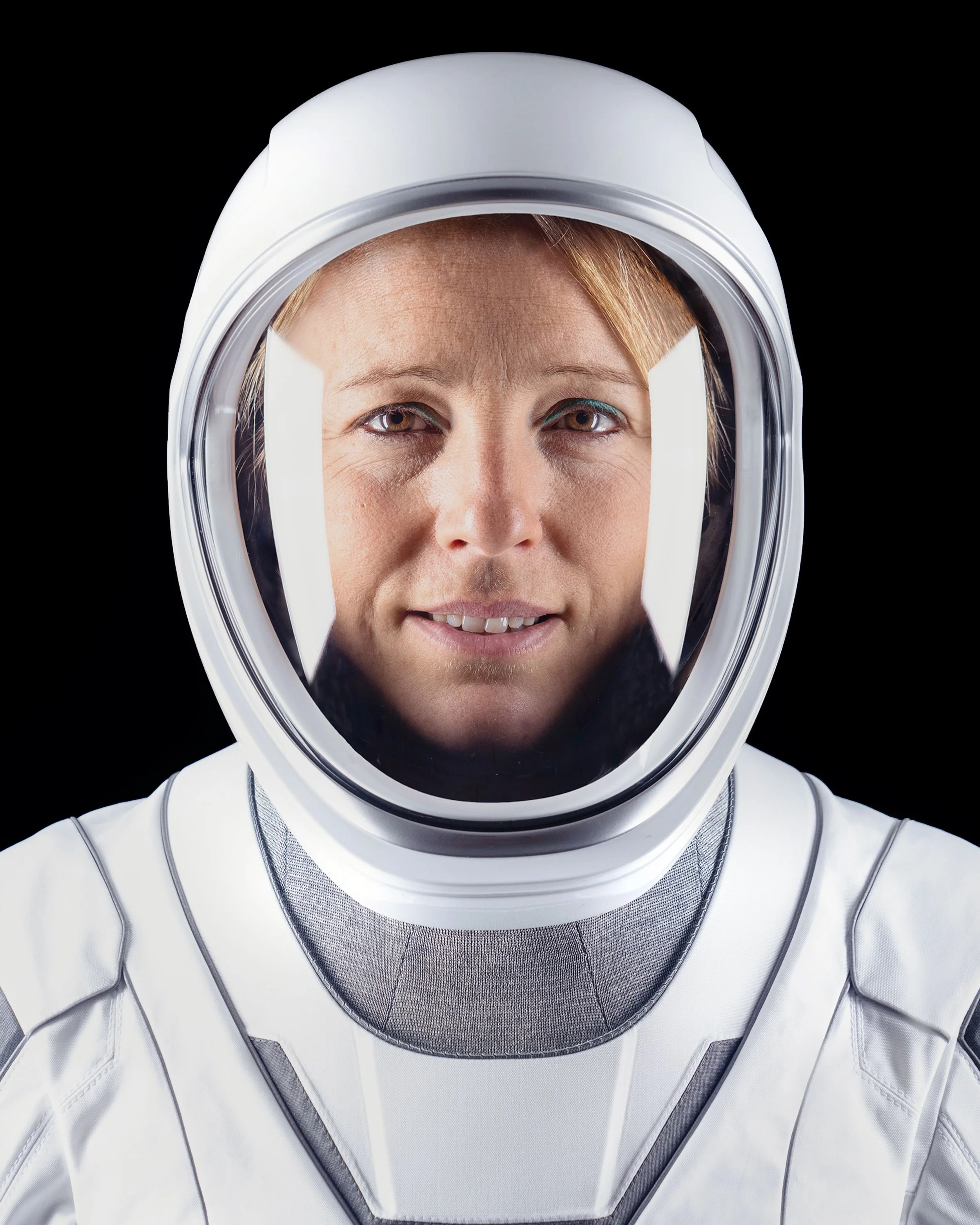
Sophie Adenot
MISSION ROLE: Mission Specialist
COUNTRY REPRESENTED: France (ESA)
SPACEFLIGHT EXPERIENCE: Adenot will fly to space for the first time during this mission, which means she has no prior missions before this one. She joined the European Space Agency (ESA) astronaut corps in 2022.
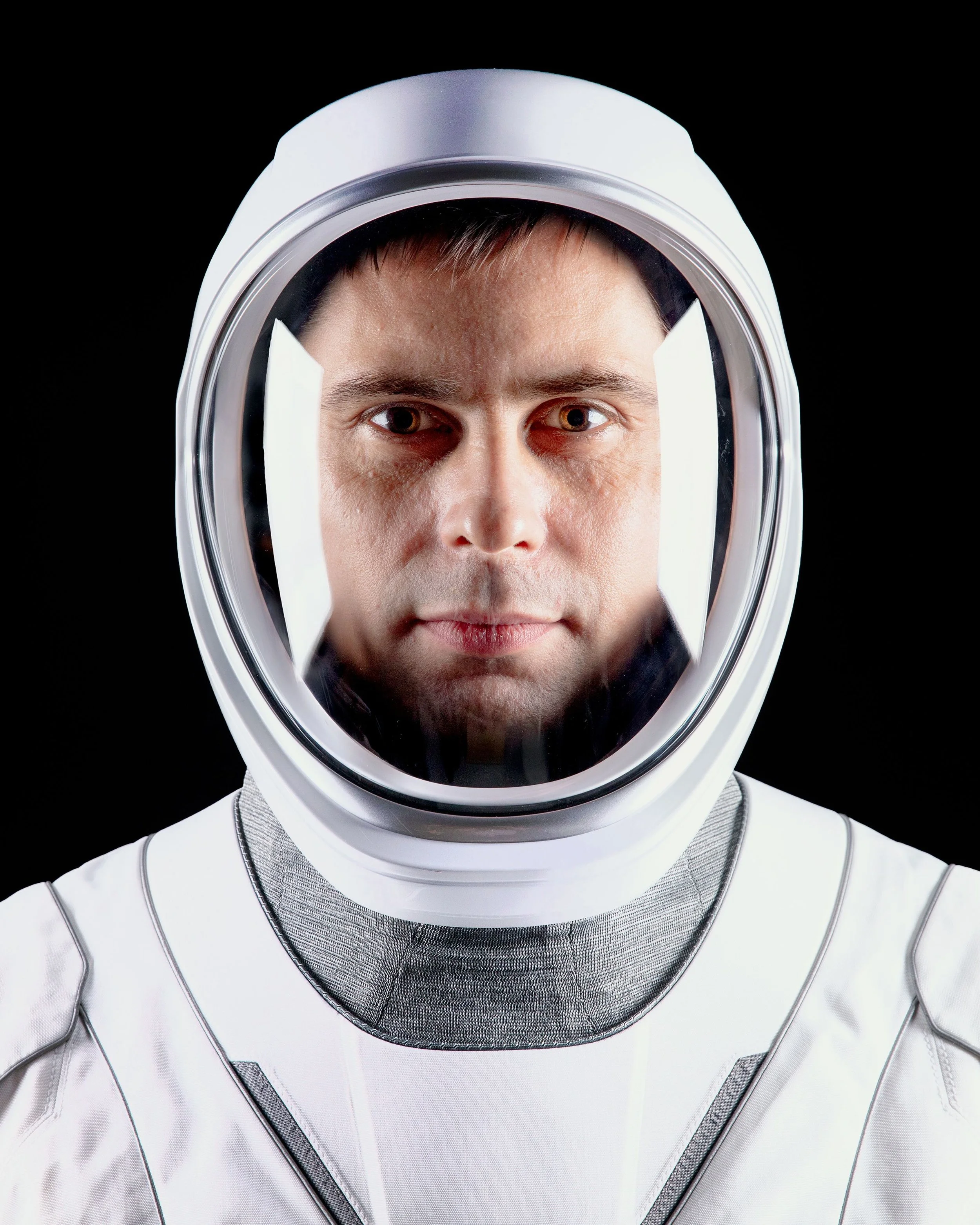
Andrey Fedyaev
MISSION ROLE: Mission Specialist
COUNTRY REPRESENTED: Russia (Roscosmos)
SPACEFLIGHT EXPERIENCE: Fedyaev will fly to space for the second time during this mission. He first flew on the NASA-SpaceX Crew-6 mission in 2023 and spent 186 days on the space station as a flight engineer during Expeditions 68/69. With this mission, he will become one of the first cosmonauts to fly on the Crew Dragon spacecraft twice.
Payloads and experiments
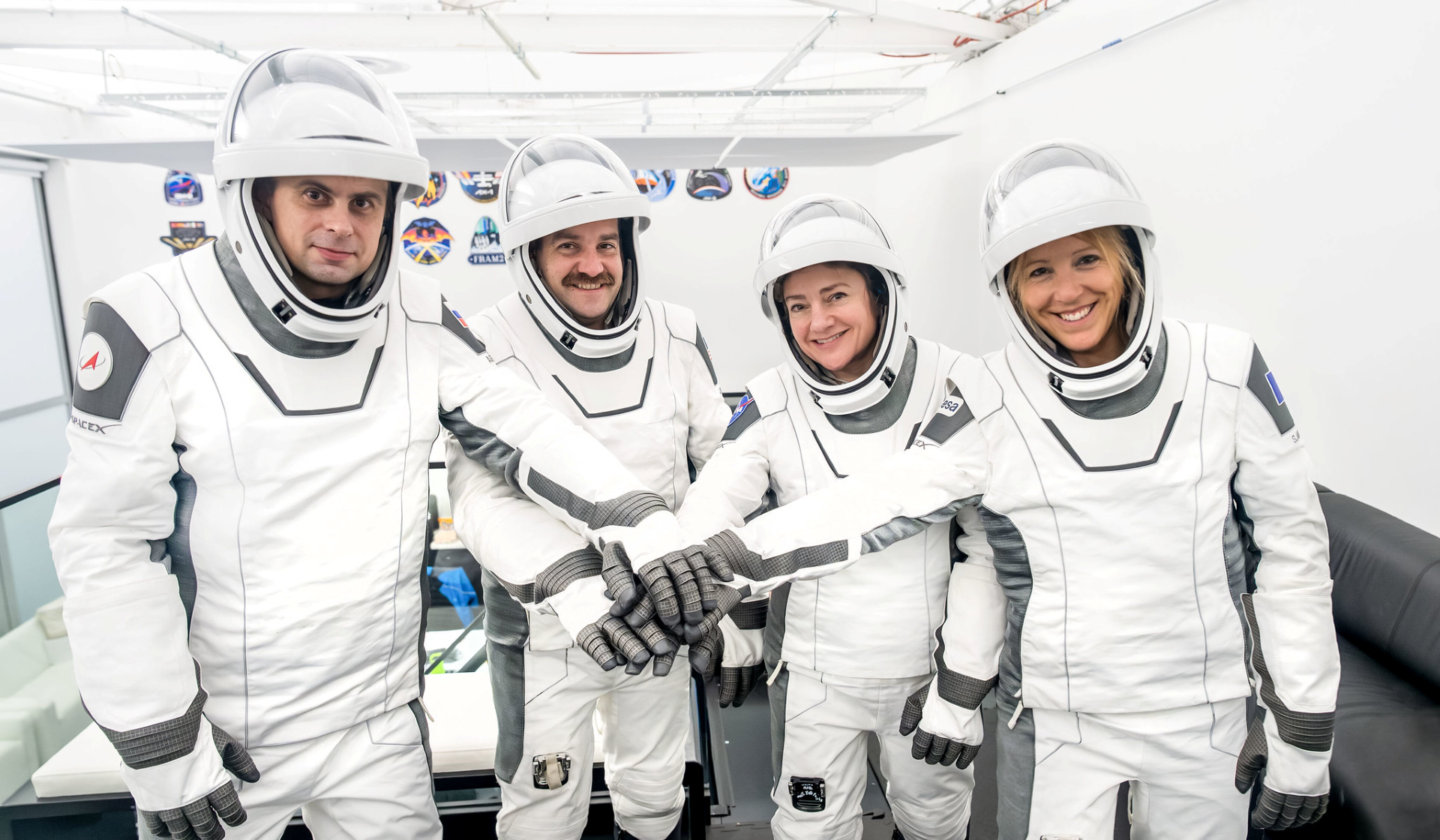
During their time on the orbiting laboratory, the crew will conduct more than 200 scientific experiments and demonstrations. They will primarily focus on Human Physiology & Health and Cognitive & Performance, while also assisting with other pending tasks on the space station. These experiments will help understand how astronauts’ bodies adapt to the low-gravity environment of space. In this article, we will discuss three primary payloads and experiments specifically mentioned by NASA.
1. Venous Flow
This study aims to determine whether time spent in space increases the risk of astronauts developing blood clots, which could pose serious health risks. Once in space, blood flow circulation works differently due to the effects of weightlessness. As a result, bodily fluids like blood can move toward the head, potentially forming blood clots.
According to NASA Johnson Space Center (NASA-JSC) physiologist Dr. Jason Lytle, the data collected from this study will help understand how astronauts’ bodies perform in space, especially as long-duration missions to the Moon and Mars are now taking shape. Based on these data, strategies can be developed to help our astronauts have safer voyages to space.
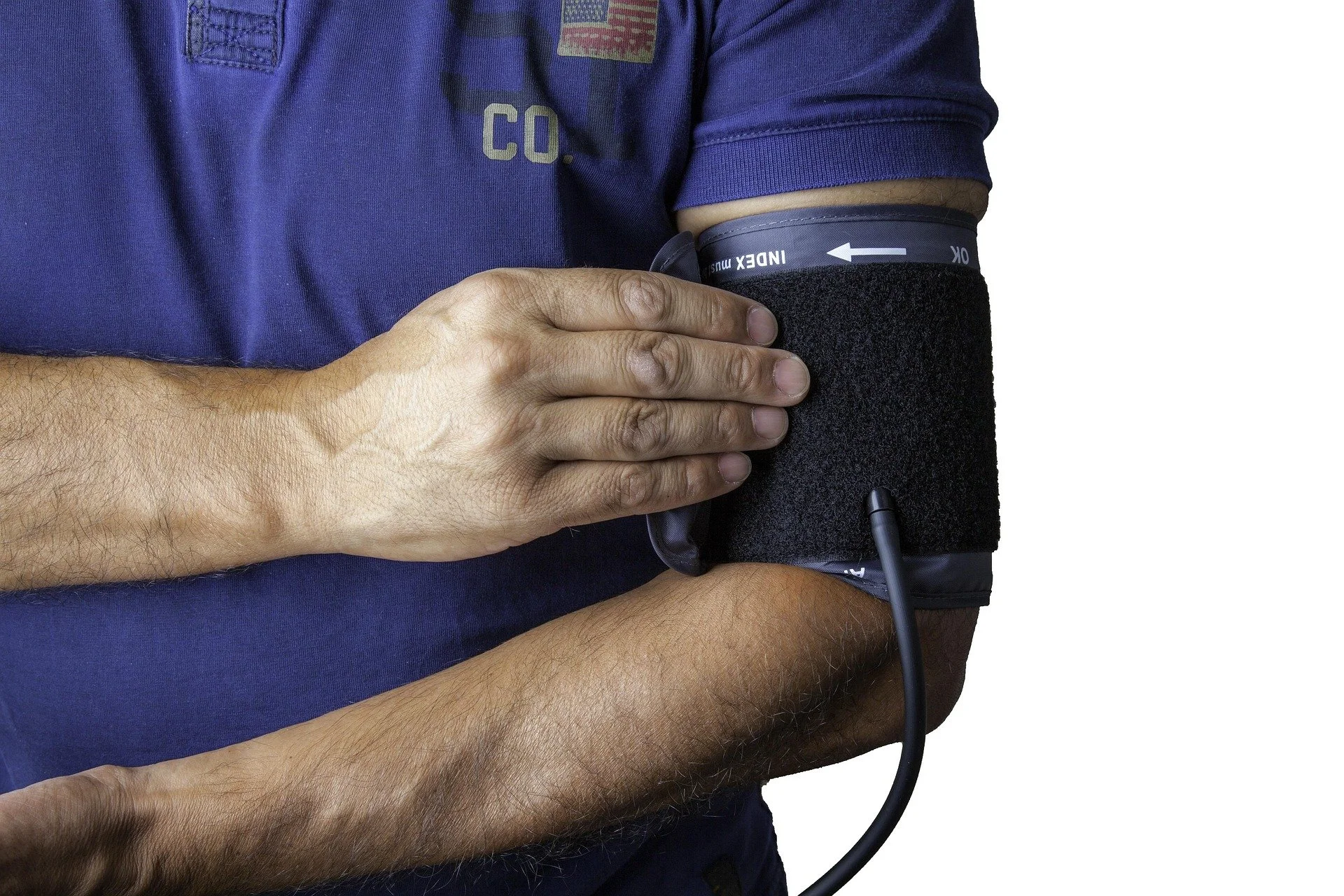
Image by Gerald Oswald from Pixabay
To conduct this study, the crew members will perform various medical tests, including body scans and blood draws, during pre- and post-flight analysis. During their mission, they will also conduct ultrasounds and blood pressure readings and take blood samples for analysis once they return to Earth.
2. Manual Piloting
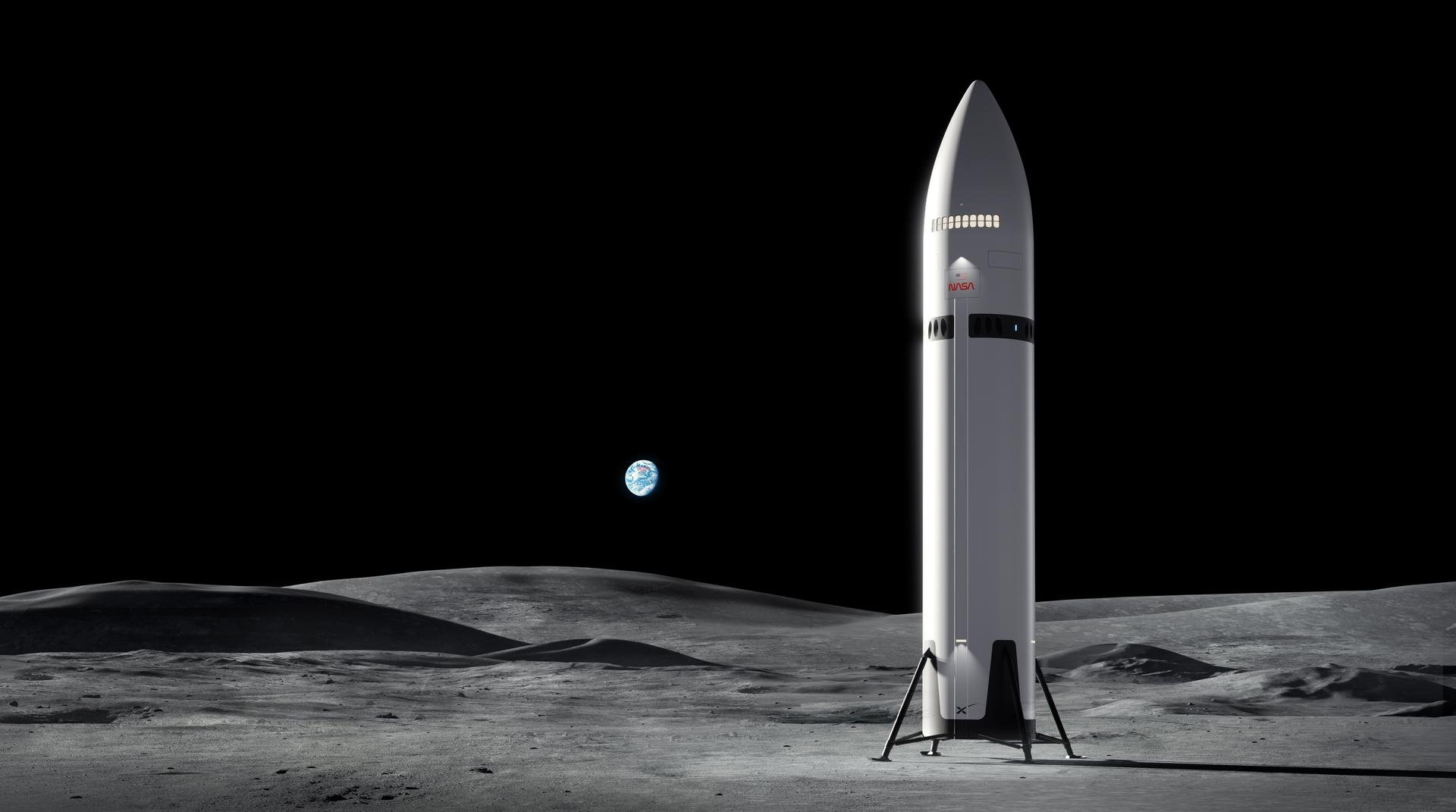
This study aims to assess astronauts’ performance during simulated Moon landings before, during, and after the mission—measuring their piloting and decision-making skills as they adjust to different gravity environments.
According to NASA-JSC neuroscientist Dr. Scott Wood, astronauts may feel disoriented when moving from microgravity to planetary gravity—something they would experience in future missions to the Moon and Mars. Even though these landings will be mostly automated, astronauts might take over manual control if needed. Understanding these situations will help NASA design better training strategies for future mission types.
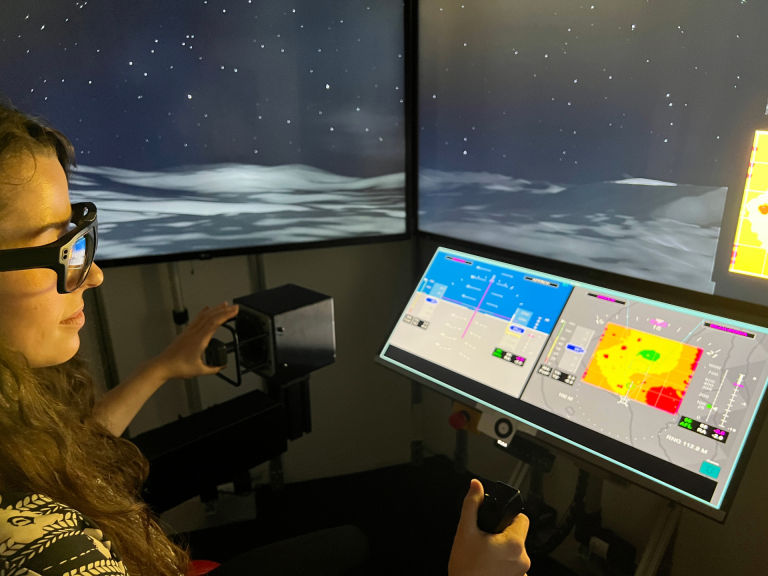
To conduct this study, the involved crew will perform simulated landings. It also includes both short-duration and long-duration astronauts, with a control group on Earth to truly understand how different gravity environments affect an astronaut's capacity to conduct such tasks.
3. Spaceflight Associated Neuro-ocular Syndrome (SANS)
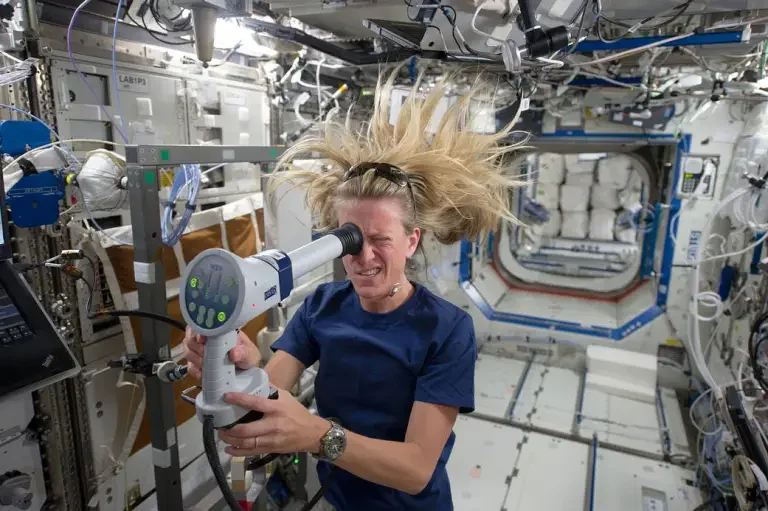
This study will investigate potential treatments for SANS, a risk astronauts face during spaceflight missions. This syndrome can affect an astronaut's eyes and brain due to the weightlessness of space. Astronauts will take a daily vitamin B supplement so researchers can examine whether it helps relieve SANS symptoms.
To learn more about the complete details of all the payloads and experiments done during this mission and the ones that might not have been mentioned yet, you can click here to check out NASA’s resources for this mission.
Mission timeline
NASA’s Livestream Coverage will start at 4 AM EST, two hours before launch. You can watch the live coverage of the mission through the link embedded above this caption, or here. All times are approximate and may change at the discretion of NASA and SpaceX teams.
Prelaunch Countdown
Credits to SpaceX for the entire launch countdown procedures.
T - 00:45:00 = SpaceX Launch Director verifies go for propellant load
T - 00:42:00 = Crew access arm retracts
T - 00:39:00 = Dragon's launch escape system is armed
T - 00:35:00 = RP-1 (rocket grade kerosene) loading begins
T - 00:35:00 = 1st stage LOX (liquid oxygen) loading begins
T - 00:16:00 = 2nd stage LOX loading begins
T - 00:07:00 = Falcon 9 begins engine chill before launch
T - 00:05:00 = Dragon transitions to internal power
T - 00:01:00 = Command flight computer to begin final prelaunch checks
T - 00:01:00 = Propellant tank pressurization to flight pressure begins
T - 00:00:45 = SpaceX Launch Director verifies go for launch
T - 00:00:03 = Engine controller for engine ignition sequence start
T + 00:00:00 = Falcon 9 liftoff (6:01 AM EST)
Launch Timeline
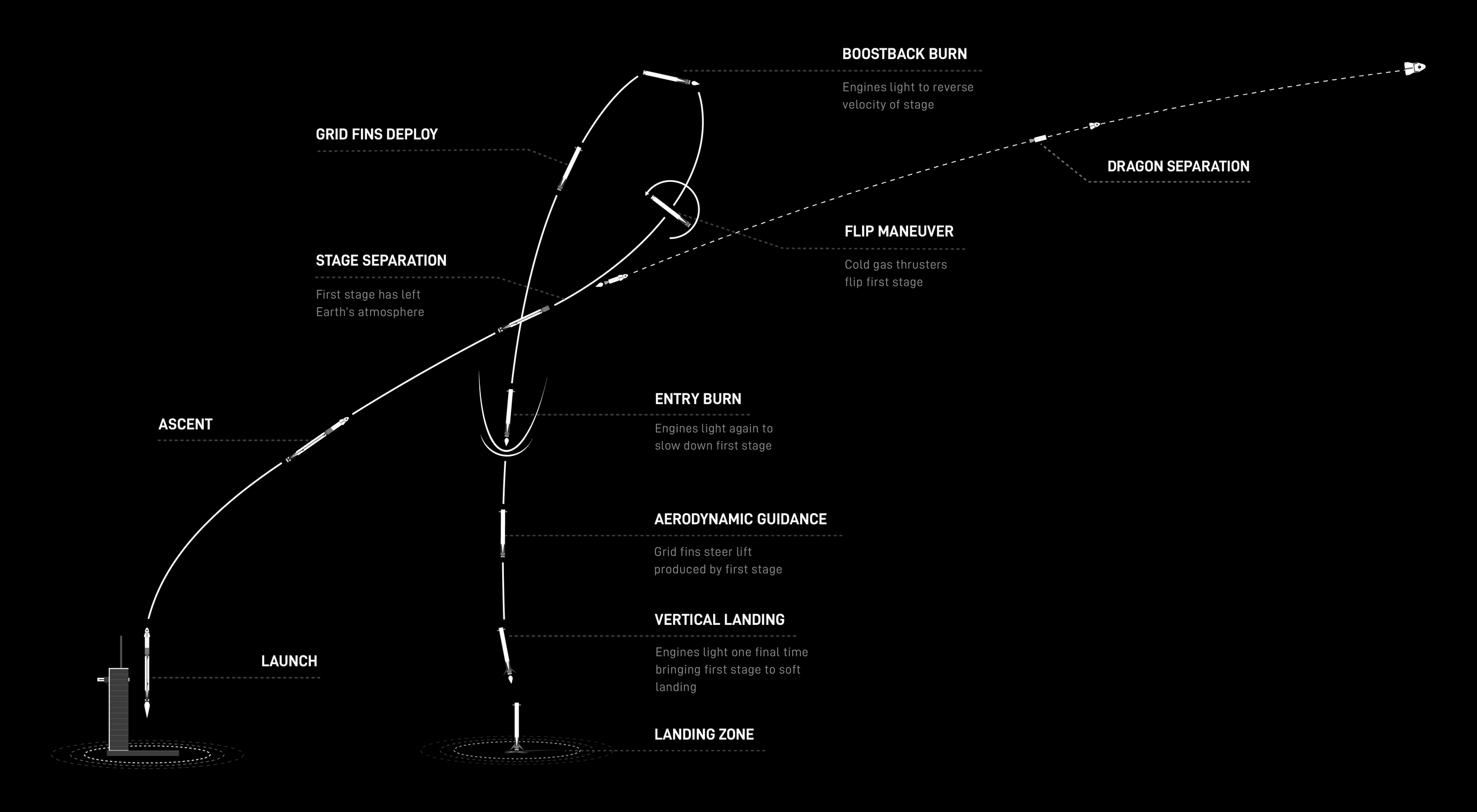
T + 00:01:12 = Max-Q (moment of peak mechanical stress on the rocket)
T + 00:02:24 = 1st stage Main Engine Cutoff (MECO)
T + 00:02:27 = 1st and 2nd Stages Separate
T + 00:02:31 = Stage 1 flip
T + 00:02:35 = 2nd Stage Engine Starts (SES-1)
T + 00:02:41 = Boostback burn starts
T + 00:03:27 = Boostback burn ends
T + 00:06:20 = 1st Stage entry burn begins
T + 00:06:33 = 1st Stage entry burn ends
T + 00:07:17 = 1st Stage landing burn begins
T + 00:07:42 = 1st Stage landing
T + 00:08:47 = 2nd Stage engine cutoff (SECO-1)
T + 00:09:37 = Dragon separates from 2nd Stage
T + 00:10:25 = Dragon nosecone open sequence begins
Postlaunch to Docking Timeline
After this, the crew will have the opportunity to experience microgravity (commonly called “zero-g”) while enjoying views of Earth from space.
Dragon will conduct a series of burns to catch up with the ISS using its onboard Draco thrusters. Once it arrives near the ISS, several checkpoints must be passed as the spacecraft inches toward the station docking port. If you want to learn about the entire process of docking a spacecraft to the ISS, we have a dedicated article right here. [How to dock and undock with the ISS — The Weekly Spaceman]
The whole process from docking to arrival will be live-streamed by NASA through its dedicated rendezvous, docking, and arrival coverage on February 12, 2026, at around 8:30 AM EST.
Spacecraft docking will then occur at around 10:30 AM EST—around 28 hours after launch—followed by hatch opening at around 12:15 PM. The crew will then do welcoming remarks at around 12:50 PM.
This is KYNNMASTER 123 for TWS: The Weekly Spaceman, see you in the next one! 😁