Artemis II Rollout - One Giant Leap Towards Launch
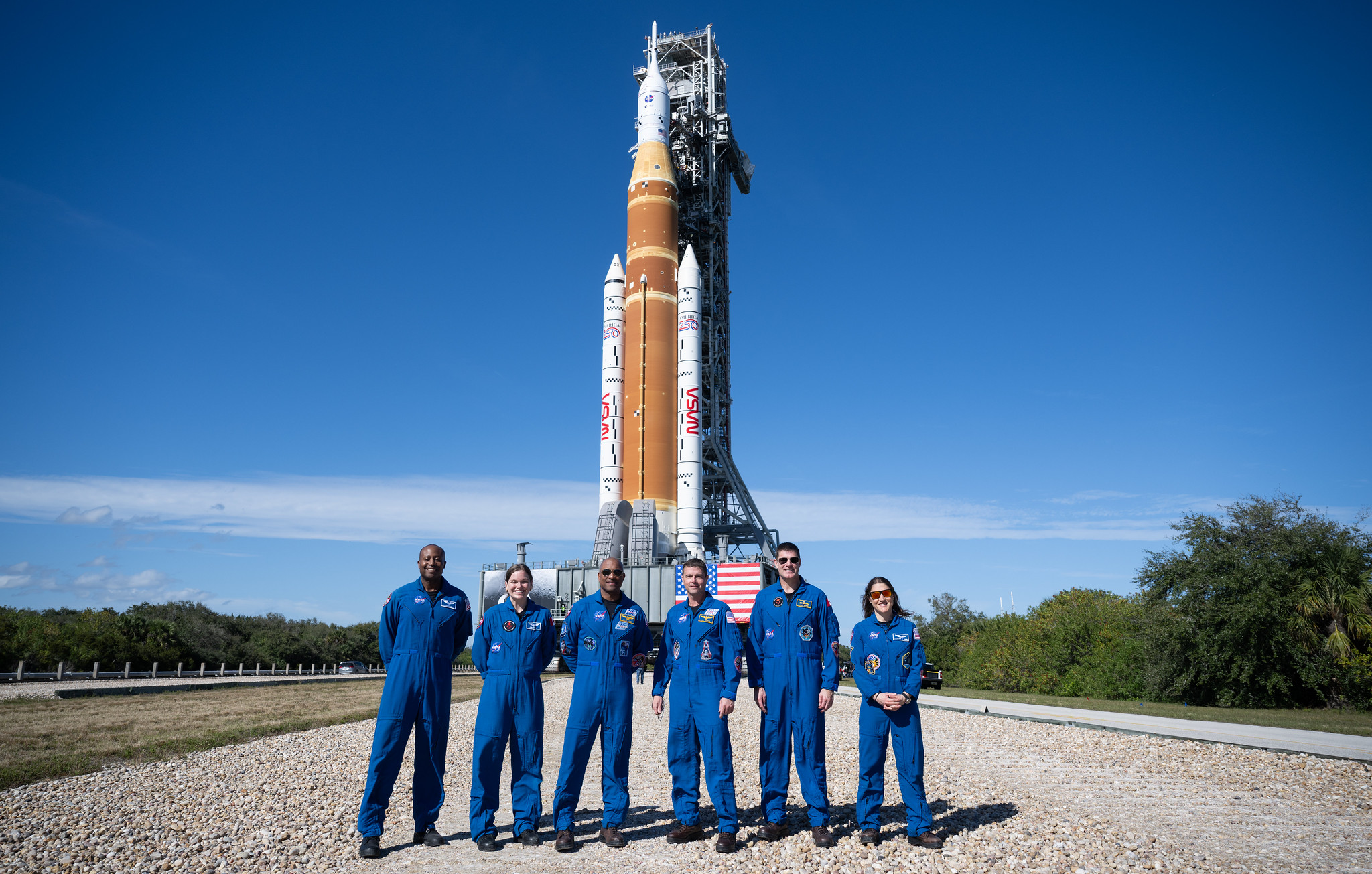
The Artemis II crew, plus backup crew, in front of SLS rolling out to LC-39B
Credit: NASA
Finally, after just over 3 years, we have another SLS rocket out on the pad at LC-39B. On the 17th of January, at 7:04am local (12:04 UTC), standing strongly atop Crawler Transporter 2 (CT-2), SLS had first motion ahead of the journey from the iconic Vehicle Assembly Building to the legendary pad 39B. At a snail's pace of 1 mph, the ~380 feet tall structure took approximately 12 hours to make the 4 mile journey along the crawler way, arriving to the pad at 6:42pm. This milestone is huge in pathing a clear path to the launch of Artemis II.
Ahead of the highly anticipated rollout, the Artemis II MMT (Mission Management Team) members held a news conference discussing the rollout and the roadmap to making the February launch window. The MMT consists of:
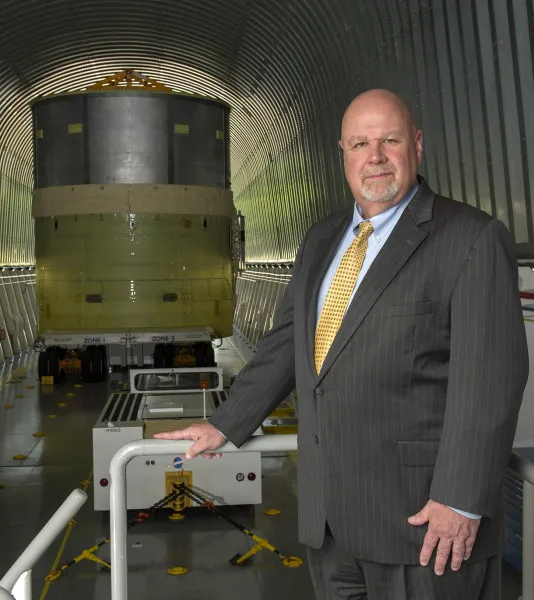
John Honeycutt
Team Chair

Matt Ramsey
Mission Manager
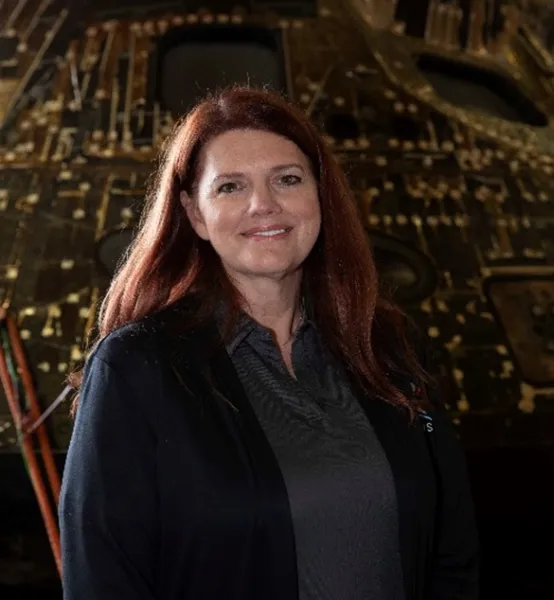
Charlie Blackwell-Thompson
Launch Director
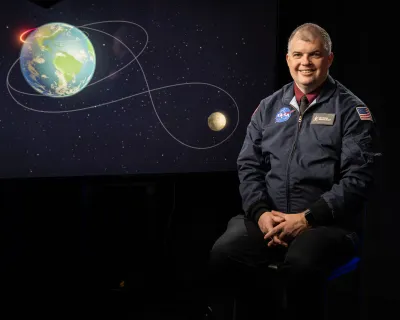
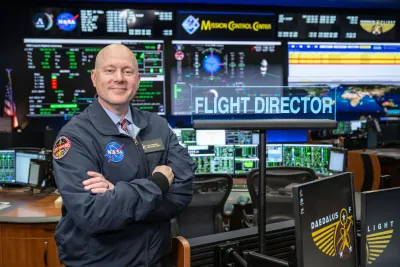
Jeff Radigan
Lead Artemis II Flight Director
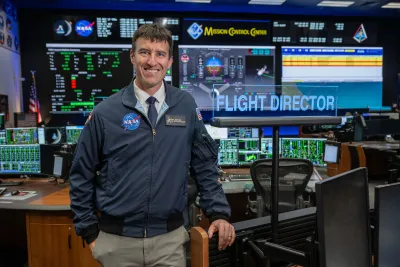
Judd Frieling
Ascent Flight Dircetor
Rick Henfling
Entry Flight Director

Stan Love
Lead Capsule Communicator
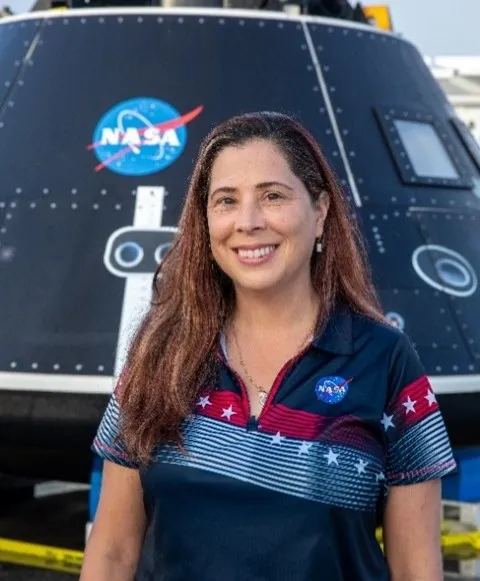
Lili Villarreal
Landing and Recovery Director
This is your Artemis II MMT.
All photos taken from the NASA press kit
Over the next few days/weeks, these members plus many more at NASA will assess all pad systems ahead of committing to a date for the WDR (Wet Dress Rehearsal). Key tasks include: crew access arm retraction tests, getting the vehicle and pad all hooked up to ground side commodities, configuration of the emergency egress system, radio frequency (RF) testing and checks, crew walkdowns and more. All of these tasks must be completed before a WDR can commence. Some of these tests, such as the crew access arm retractions have been completed, as observed on the NASA Artemis live camera.
NASA Artemis II live feed: https://www.youtube.com/watch?v=nrVnsO_rdew
The upcoming WDR is the final key test the SLS rocket, Orion spacecraft and ground personnel will have to face and conquer before a launch attempt of Artemis II can go forward. What is a WDR? A WDR is a full run through of the launch day countdown, from powering up the spacecraft, to fuelling the rocket, all systems get put through their paces. However, there is no engine or SRB (Solid Rocket Booster) firing/ignition, and the Artemis II crew are not in the spacecraft during these operations. Like I said, this will be a full launch day run through, meaning teams will start to arrive to their consoles at L-49hours, and will be diving through data and telemetry all the way up until the planned cut-off of T-29s. According to NASA’s Artemis II press kit, there are multiple built in holds at certain times in the count, so don’t be alarmed if the countdown timer stops at any point. These hold times are at:
- L-11hours 40mins with the hold lasting around 2hours 15mins
- L-4hours 40mins with the hold lasting around 40mins
- One final planned hold at L-40mins, planned to last 30mins
NASA has committed to a WDR date of no later than Feb 2nd. This means they would expect the WDR to have been completed by February 2nd at the latest, and if all goes well, they could make the first launch opportunity on February 6th 2026. This leads us on nicely to the Artemis II launch windows.
Due to many factors, such as: alignment of the Earth, Moon and the SLS rocket, re-entry trajectories, daylight for Orion etc, only so many launch days are available every month. Below are the available launch days over the next three months:
- February 6th, 7th, 8th, 10th, 11th
- March 6th, 7th, 8th, 9th, 11th
- April 1st, 3rd, 4th, 5th, 6th, 30th
- Early May based off the late April launch date (*speculation*)
NASA is targeting NET February 6th 2026 for the launch of Artemis II, with the No Later Than date being April 2026. As much as NASA would like to hit the February window, challenges and uncertainties such as: weather, crew readiness, hardware readiness and the WDR test all have to co-operate to hit their targeted date. Delays, scrubs and bad luck is very common throughout all of spaceflight, so don’t be disappointed if the February window is missed. Charlie Blackwell-Thompson, Flight Director, stated in the pre-rollout news conference that SLS can stay out on the pad for 2 launch window opportunities. Compared to the one launch window stay for the Artemis I Campaign. Although missing February is on the cards, I personally believe they will hit the February window and we will see humans around the Moon once again, for the first time since Apollo 17 back in December 1972!
Despite this being a relatively small article, in the lead up to Artemis II, expect to see more in depth articles and coverage of this historic mission, including a look into the rocket and spacecraft that will take our 4 brave astronauts back to our Moon. We will also learn more about the astronauts that will capture the magic of a Lunar fly by in an upcoming article, and we will have a full detailed mission overview too. All of Artemis in one place, here at The Weekly Spaceman.
I like to add a personal comment ahead of missions I’m extremely chuffed about, and this is certainly one of them. I hope for nothing but safety, success and excitement for the 4 astronauts flying aboard Orion. I can’t wait to see the results of their experiments and the photos of the Moon which I’m sure they will capture beautifully. In a tough time in my personal life, such an uplifting and inspiring mission is what me and all of us need to come together and enjoy the journey and the mystery of deep space travel.
Apollo had it’s time. Now it’s our time. We are the Artemis generation, and we are going back. This time, to stay. Godspeed Reid Wiseman, Victor Glover, Jeremy Hansen and Christina Koch.