2025 Yearly Rocket Report
Hello space fans and welcome to a very special presentation, The Yearly Rocket Report! I did one of these last year, a supplement to my ongoing Weekly Rocket Report series. I had a lot of fun putting together last year’s so I figured I would do it once again. This was an incredible year in rocket launches, many entities upped their cadence from last year, despite one or two dropping off. All in all there were 341 rocket launches in 2025, of which 324 were orbital, and 17 were suborbital (New Shepard, Electron, Starship). There were some demo flights from rockets like Eris, or a partially reusable version of Long March 12, as well as some rockets we haven’t seen in a long time like our old friend Minotaur. Below I’m going to break down all the launch entities, how many of each rocket they launched, and hit some highlight missions from the year. Hope you enjoy!
We will begin with our friends in Europe. The first group to discuss is the long time titan of European Spaceflight, Arianespace. Arianespace saw an uptick in launch cadence this year, due to Ariane 6 being fully up and running, and Vega C returning to full capacity following a failure in 2022. Altogether Arianespace launched 7 rockets in 2025, four Ariane 6, and 3 Vega C. The highlight of these missions was a Vega C launch called BIOMASS. BIOMASS is an ESA mission designed to assess the amount of biomass and carbon in the tropical areas of the world. Looking ahead to 2026 the company hopes to see Ariane 6 increase its launch cadence and debut the 4 solid rocket booster variant of Ariane 6, as it begins launches on behalf of Amazon’s Project LEO (formerly Project Kuiper).
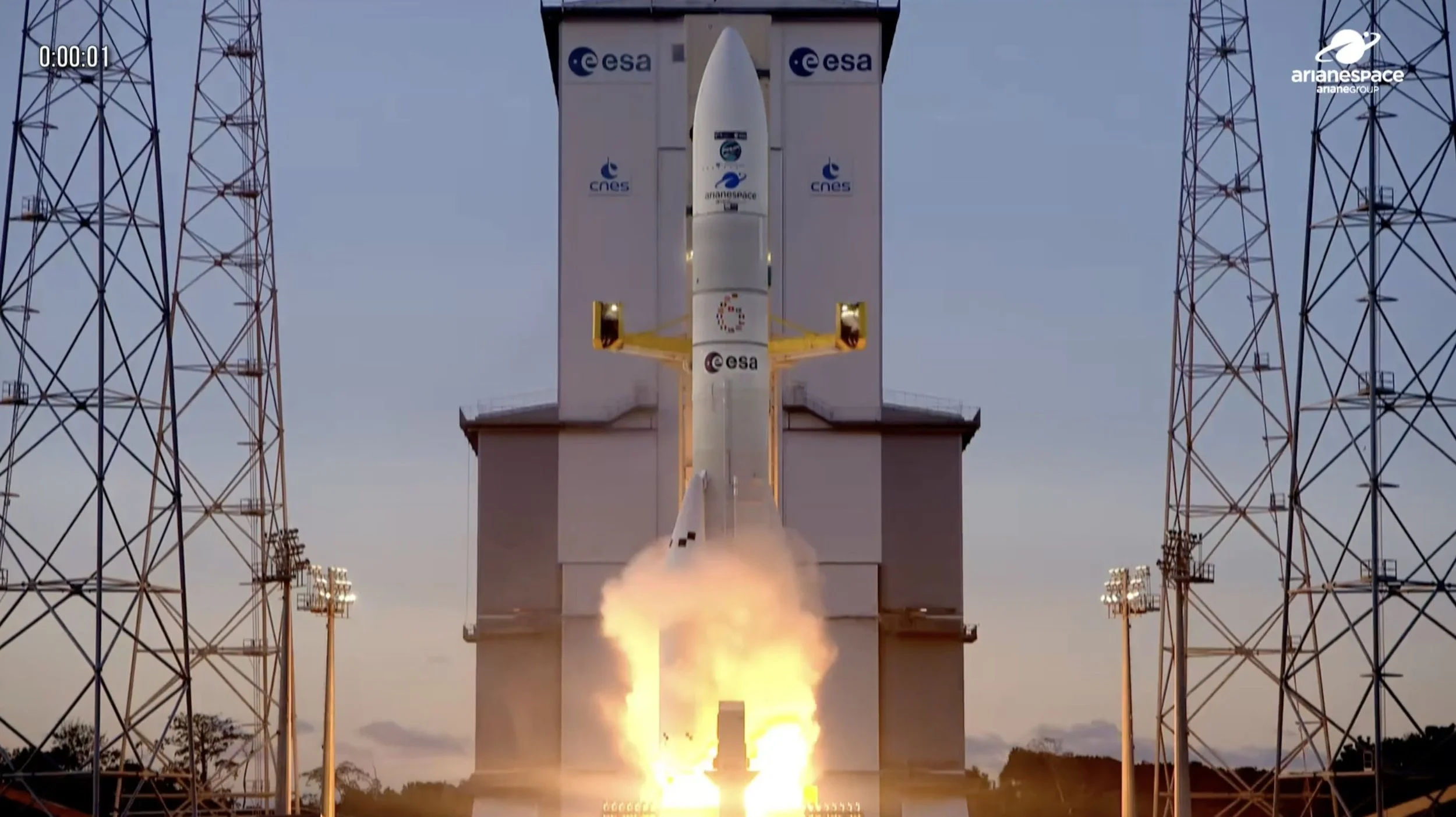
Ariane 6 launches Sentinel 1D. Photo Credit: Arianespace.
Before leaving Europe, we have to talk about Isar Aerospace. The German company put itself into the mix this year with the debut launch of its Spectrum rocket. Unfortunately, the rocket failed shortly after takeoff from the Andoya Rocket Range in Norway. However, the company is not letting this failure deter them and is set to launch another mission on Spectrum in early 2026.
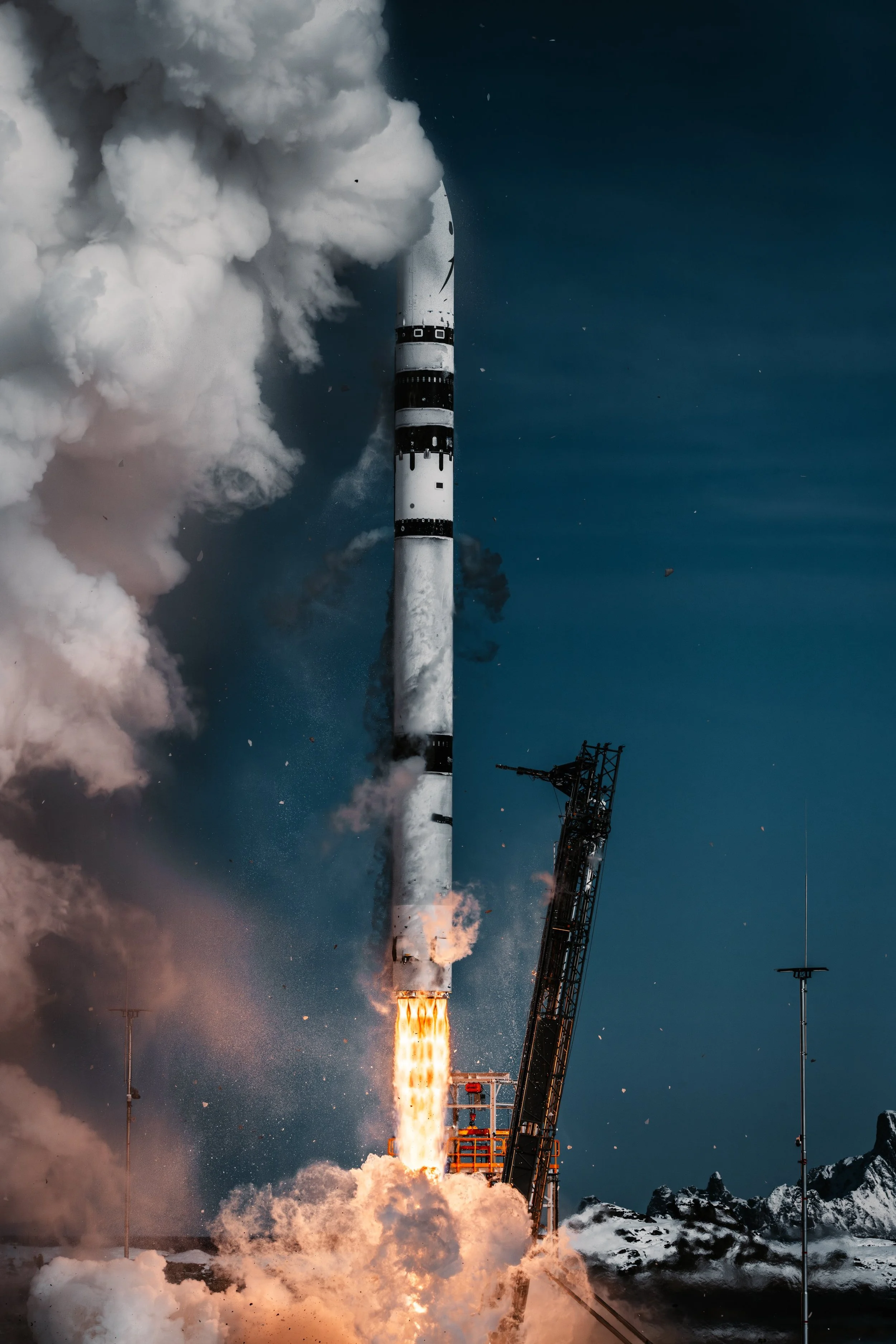
Spectrum launches its Demo Flight. Photo Credit: Isar Aerospace.
Since we’re on the topic of new players launching their first rocket, let's jump to Australia. Gilmour Space, a private Australian company launched its first rocket, called Eris, on its demo flight in late July. The rocket did not make it far off the pad and eventually fell back to the ground and was destroyed, not far from where it launched at the Bowen Orbital Spaceport. The company was fairly upbeat despite the failure, praising the data they obtained from the flight, and a second launch has already been scheduled for roughly the second half of 2026.
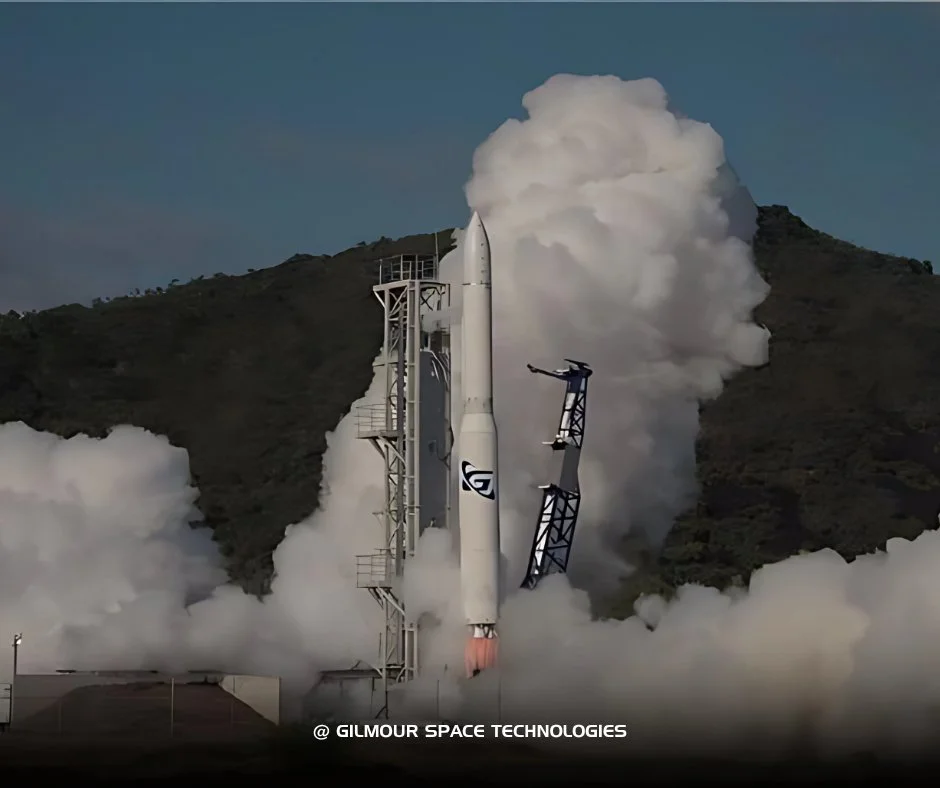
Eris launches its Demo Flight. Photo Credit: Gilmour Space.
Another new player in 2025 was Innospace, let’s travel to Brazil shall we? Brazil saw its first orbital rocket launch since the days of VLS in the late 1990s/early 2000s. Innospace, a South Korean launch company that built the rocket Hanbit Nano. A small satellite launcher, Hanbit Nano took its first flight from the Alcantara Launch Center in December. Unfortunately, the rocket was unsuccessful in its mission, with the rocket losing control after about a minute of flight.
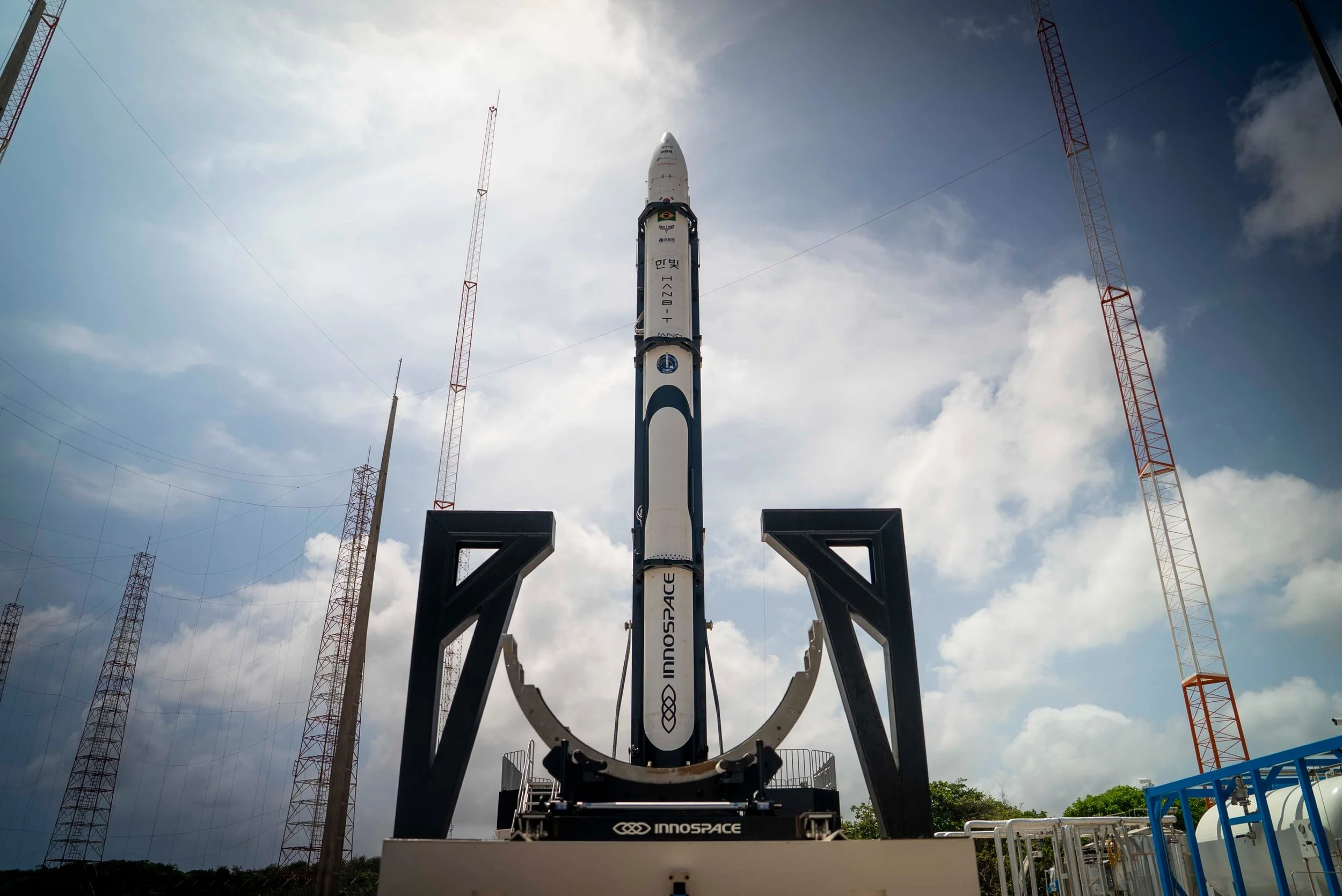
Hanbit Nano prepares to launch its Demo Flight. Photo Credit: Innospace.
Another entity with only one launch to report on this year was IAI, Israeli Aerospace Industries. They launched a Shavit 2 rocket from their coastal airbase in September of 2025. The rocket was carrying Ofek 19, an Israeli spy satellite.
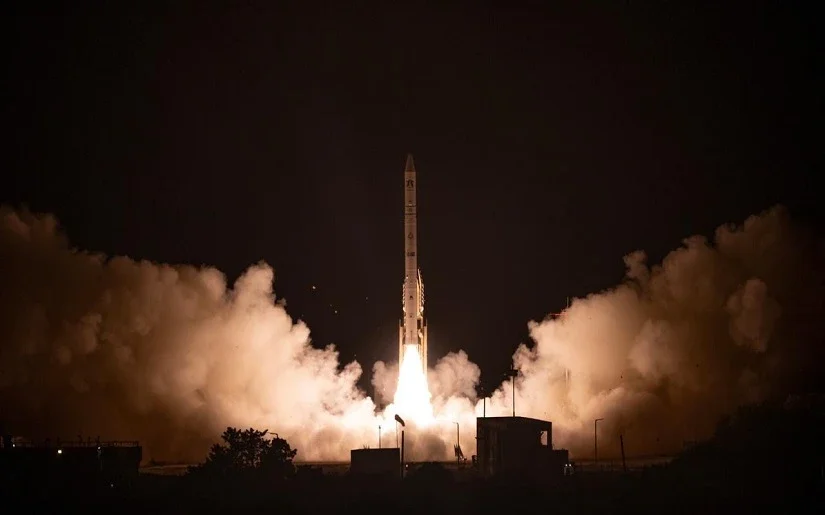
Shavit 2 launches Ofek-19. Photo Credit: Israeli Defense Forces.
Let us now discuss Russia. This year, much like last year, was just more of the same for the Russian space program. They launched some military satellites, and continued their normal routine of ISS flights, carrying both crew and cargo. Angara saw an increased cadence this year, with 4 launches compared to 2. The rest of the launches from Russia were from their venerable Soyuz rocket. 6 launches came from Soyuz 2.1a, these were the ISS launches. 6 more of the launches came from Soyuz 2.1b, these were things like military satellites, and the second mission of the Roscosmos science program Ionsfera. There was also one launch from Soyuz 2.1v. Russia does have some plans for innovative rockets and technology as well as plans to restart other science programs like Luna and Venera, but those are far in the future, to be determined whether they happen or not. It does appear likely that Soyuz 5 will have its demo launch in 2026, so there is that to look forward to.
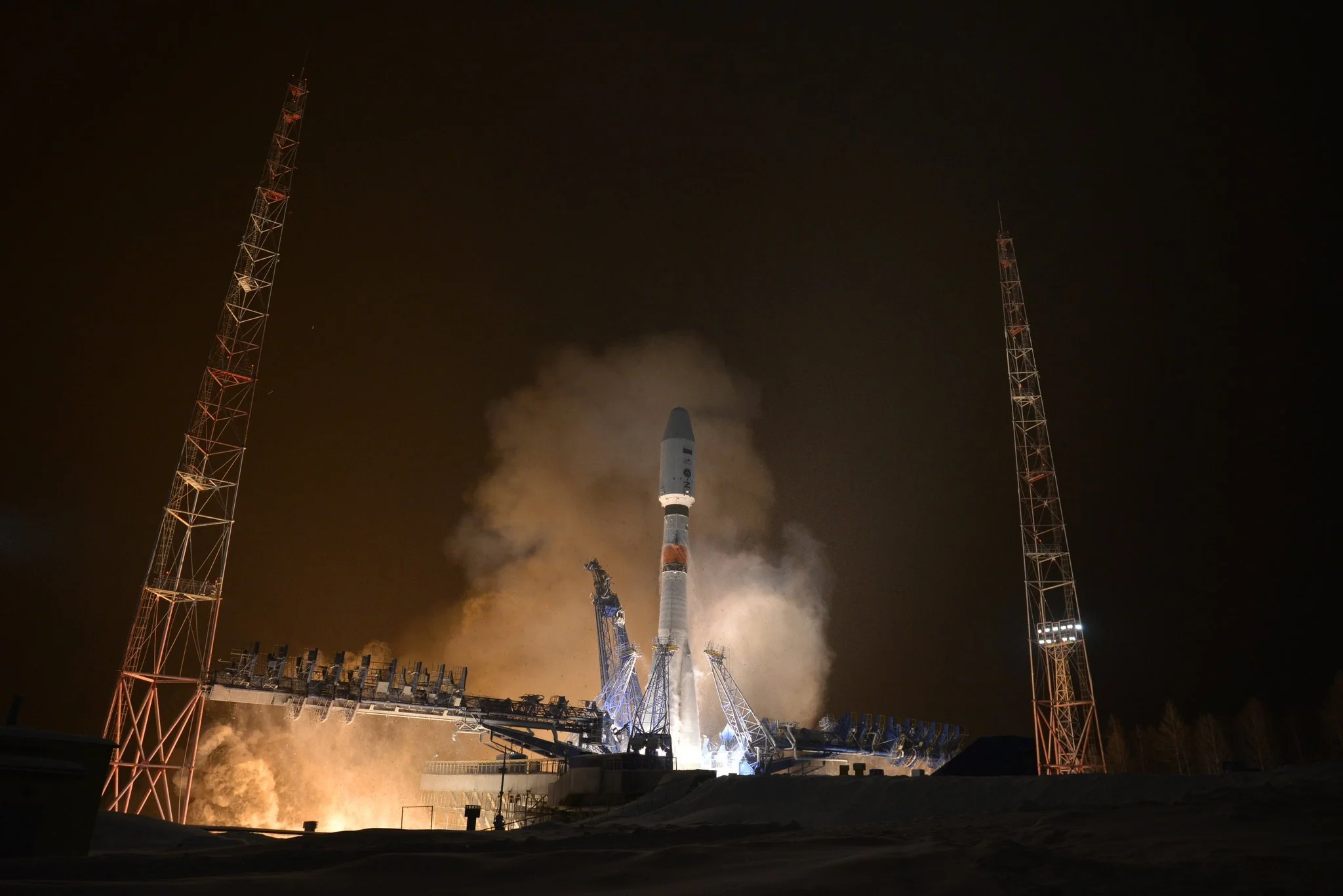
Soyuz 2.1b launches Obzor-R. Photo Credit: Roscosmos.
Now we turn our attention to Asia, and the variety of launches that take place on the continent. We will start in South Korea, for a singular launch from KARI in 2025. They launched a KSLV-2 in the later part of the year.
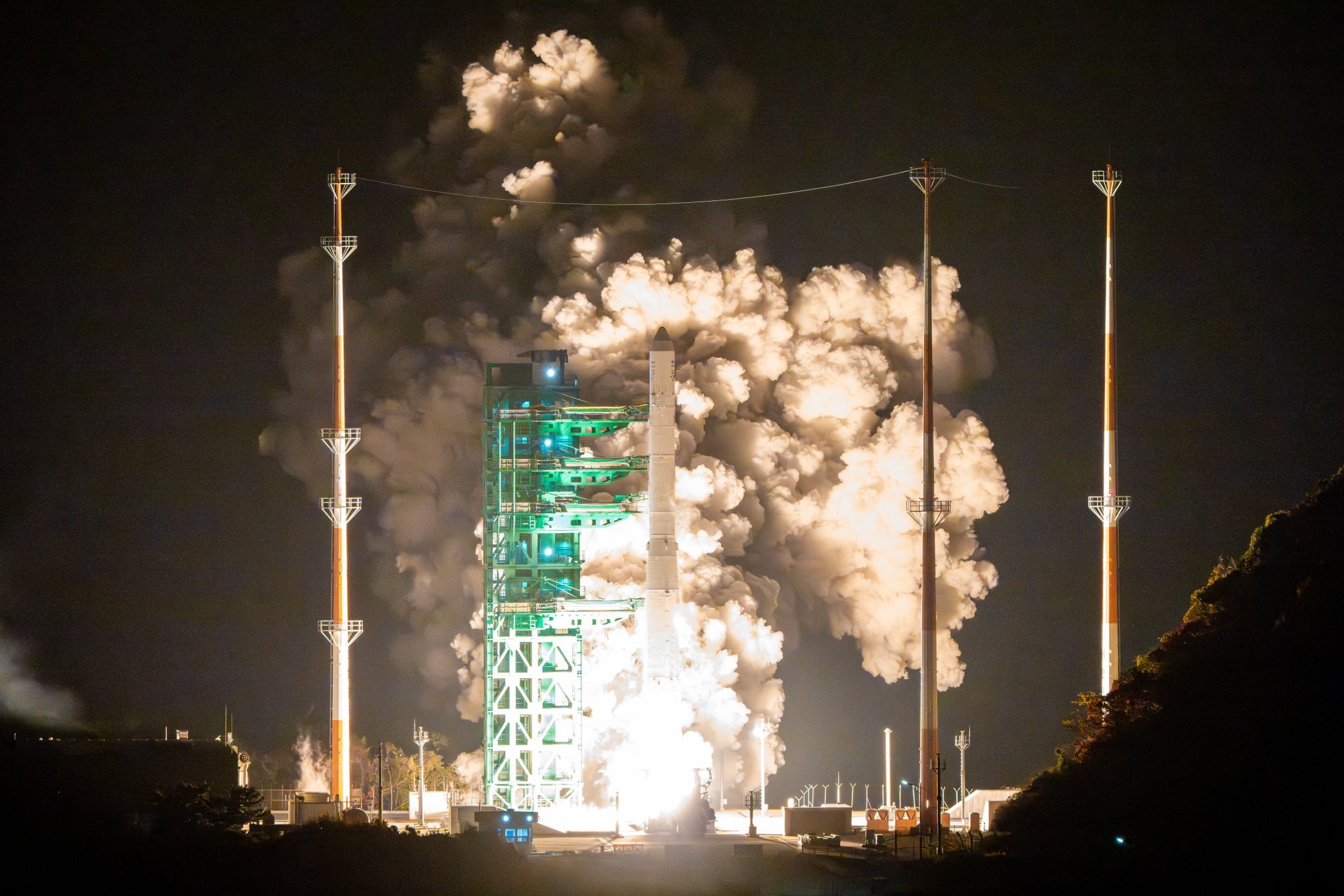
KSLV-2 launches CAS500-3 and others. Photo Credit: KARI.
Next up is Japan. Japan launched 4 rockets this year, all from the line of MHI built launch vehicles. Despite only having 4 launches, Japan had a very consequential 2025. One H-II was launched in 2025, a 202 configuration. This was the final launch of an H-II vehicle, as MHI seeks to transition fully to its already operational H3 class. 3 H3 vehicles were launched in 2025, one 24W variant, and 2 22S variants. Unfortunately, one of them experienced an issue during launch and failed to reach orbit. However, the most impactful launch was the H3-24W, which carried HTV-X. HTV-X is a Japanese cargo transfer vehicle designed to service the International Space Station.
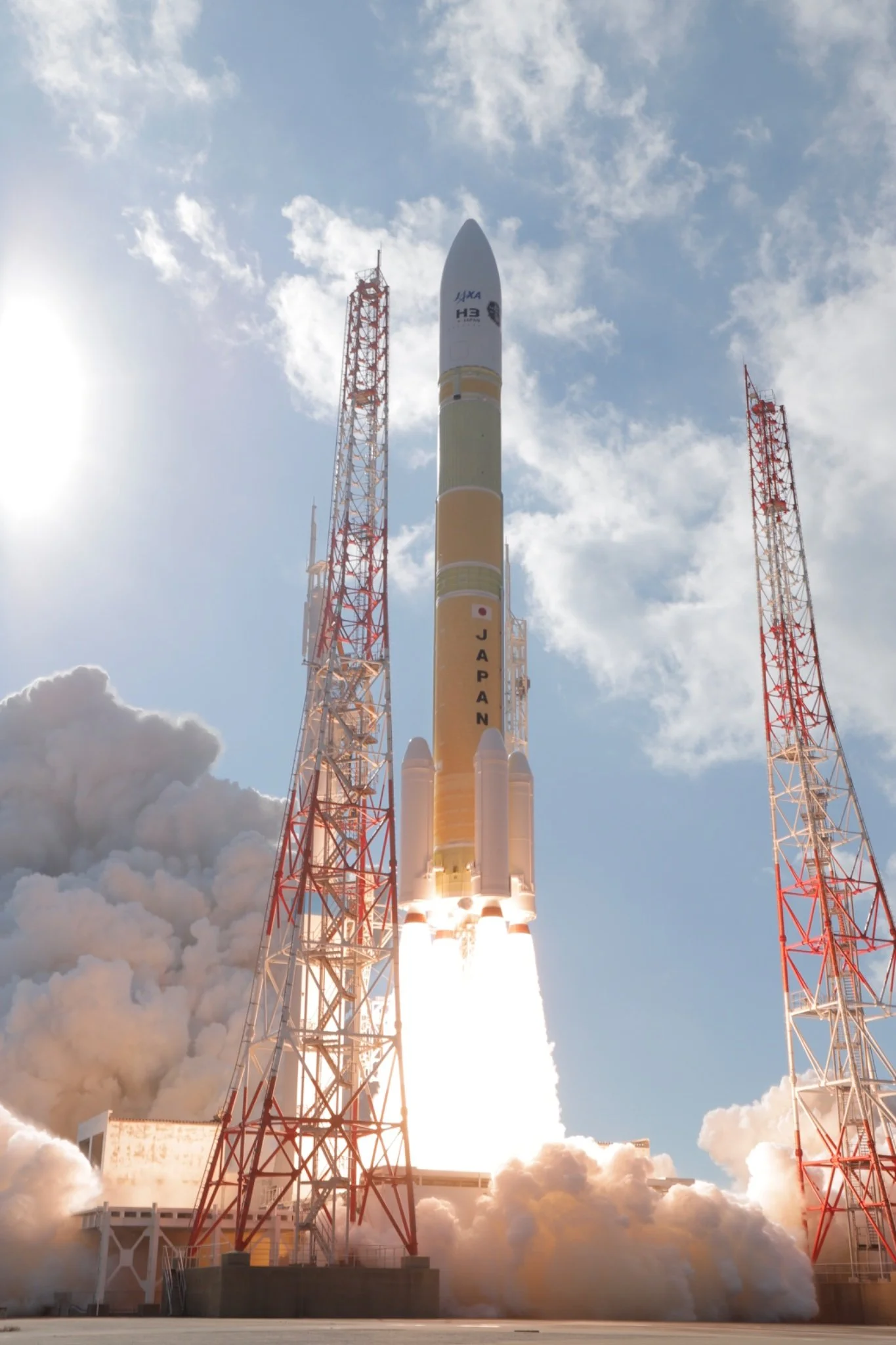
H3 launches HTV-X. Photo Credit: JAXA.
Moving on now to India, where it was another relatively quiet year for ISRO. The organization launched 5 rockets in 2025: 2 of their GSLV Mk II, 1 PSLV XL, and 2 LVM-3 rockets. Unfortunately the PSLV XL launch ended in failure after an issue during the rocket’s third stage burn. Despite a slow year this year I would expect 2026 to be much more impactful as ISRO moves forward with the testing of their GaganYaan Capsule. The crewed capsule is set for a few uncrewed test launches aboard LVM-3 in 2026, as India works towards its eventual goal of having its own space station.
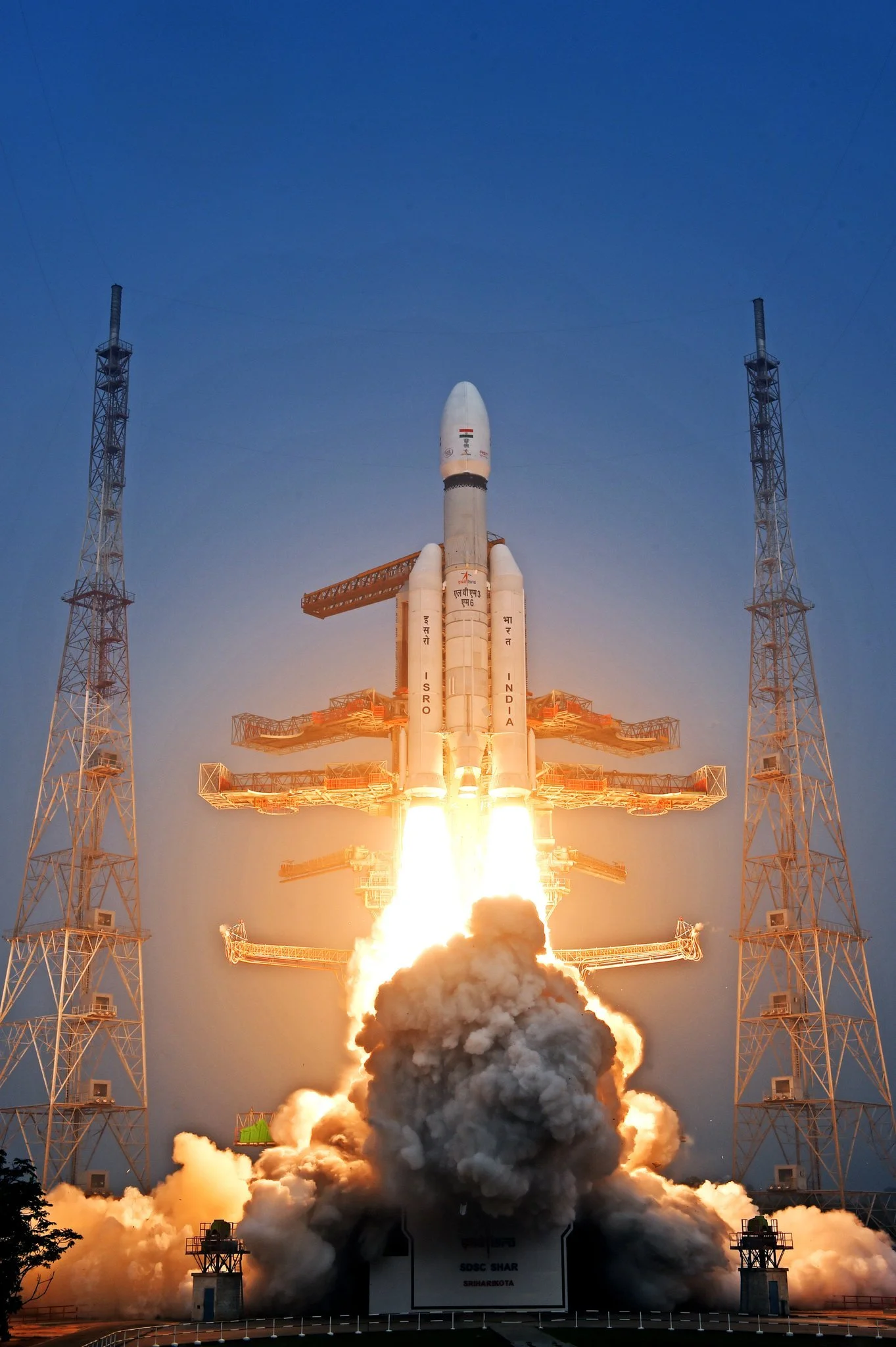
LVM-3 launches Bluebird Block 2 FM1. Photo Credit: ISRO.
And now for China, which I will again break up into two sections. China has an ever present government launch industry, as well as a growing collection of private launch companies. We will start with the government side first. There are two primary organizations providing launch vehicles for the Chinese Government, CASC, which is responsible for the Jielong and Long March vehicles, and CASIC, which provides the Kuaizhou class of launchers. CASIC launched 4 rockets in 2025, which was relatively in line with their cadence from last year. CASC however, had a tremendous year, drastically increasing their cadence from 2024, launching 73 rockets in 2025, a stark increase from 51 in 2024. Many of the launches this year fell into 2 categories, satellites that we know very little about, or internet satellites. Due to the fact that China’s launch program is tied directly to the military, many of the payloads are kept very secret, with generic names and descriptions, which may or may not even be accurate. Many of the other launches were various forms of internet or communication satellites, there are many groups in China building their own constellations, which include constellations like Geely, Polar Group, and SatNet. The Chinese mostly use the venerable Long March rockets, a long lived, and reliable platform. One thing of note is that CASC debuted a Long March 12 with a re-usable first stage. The rocket made orbit successfully, but the landing of the booster was unsuccessful. Long March, has a TON of different variations, so as with last year I will provide a list below of each launch configuration, and the number of launches:
CASIC:
- Kuaizhou 1A: 3
- Kuaizhou 11: 1
CASC:
- Jielong 3: 4
- Long March 2D: 7
- Long March 2C: 2
- Long March 2F/G: 3
- Long March 2C/YZ-1S: 1
- Long March 3C/YZ-1: 1
- Long March 3C/E: 1
- Long March 3B/E: 13
- Long March 4C: 3
- Long March 4B: 4
- Long March 5: 2
- Long March 5B/YZ-2: 2
- Long March 6: 1
- Long March 6A: 10
- Long March 7: 1
- Long March 7A: 6
- Long March 8: 1
- Long March 8A: 6
- Long March 11A: 1
- Long March 12: 4
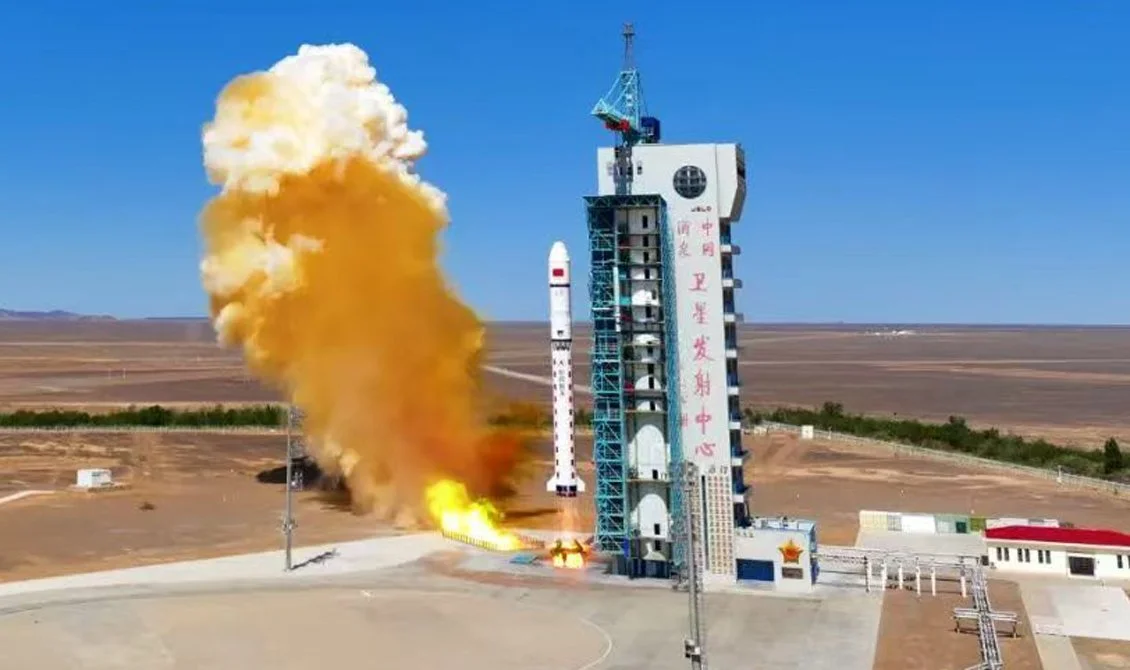
Long March 2D launches Zhangheng-1B. Photo Credit: CNSA.
With the government side out of the way, let’s discuss China’s commercial launch industry. There are a number of launch companies throughout China, the most active of which seems to be Galactic Energy. All in all, there were 16 launches amongst the Chinese private industry. Galactic Energy themselves launched 6 rockets in 2025, 5 of their Ceres 1 rockets, and one modified Ceres 1S. Not far behind them was CAS Space, with their Kinetica 1 rocket, which launched 5 times in 2025. It was a rather consequential year for Landspace, with the company launching its ZhuQue 3 rocket for the first time. ZhuQue 3, designed with a re-usable first stage, did successfully reach orbit on its first attempt, however the booster landing attempt failed. ZhuQue 2, the predecessor of this rocket, also launched twice in 2025. Rounding out the commercial industry are 2 companies, with one launch a piece for the year. Orienspace launched its Gravity 1 rocket once in 2025, and iSpace launched its Hyperbola 1 once.
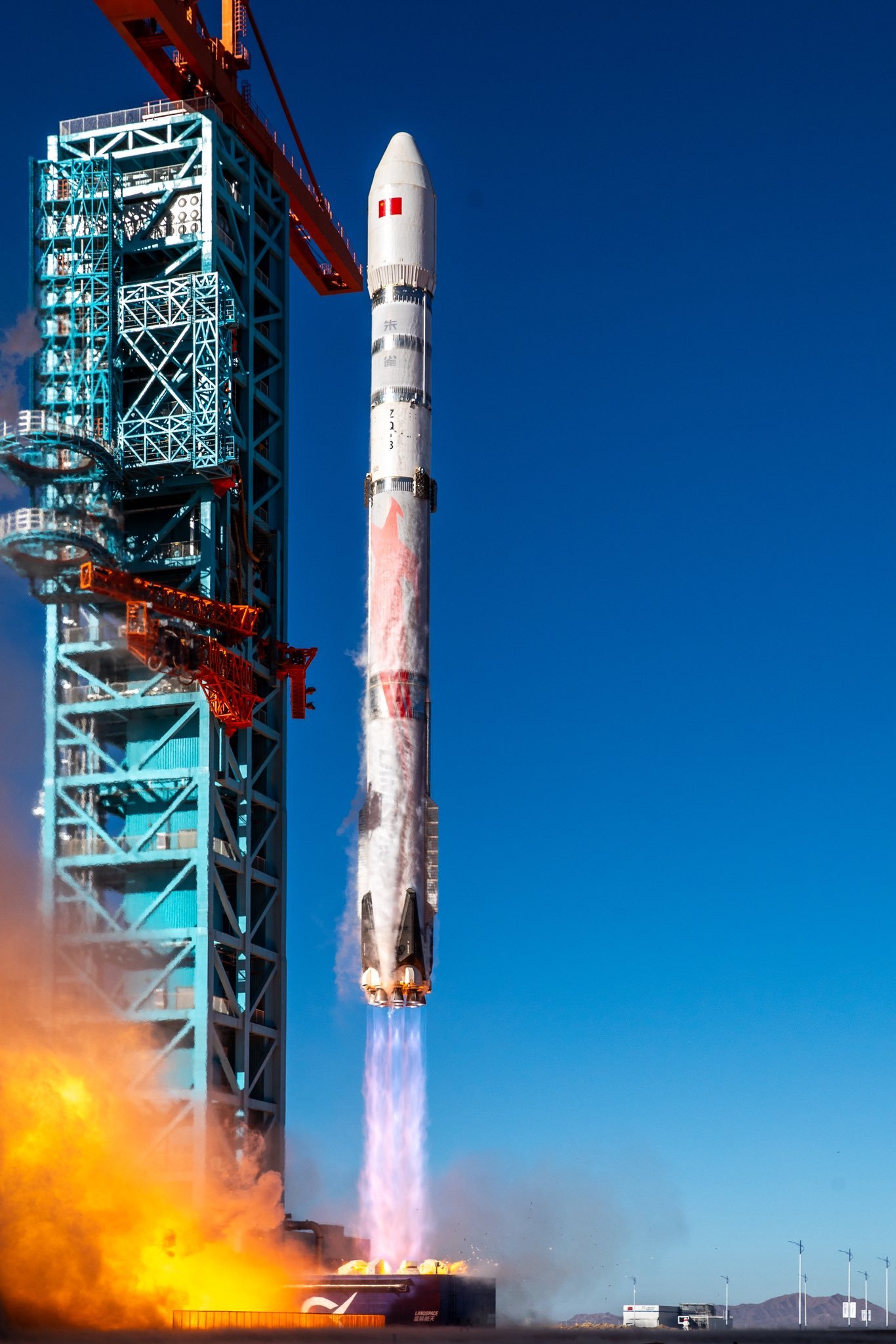
ZhuQue 3 launches its Demo Flight. Photo Credit: Landspace.
Last but certainly not least we get to the United States of America. The United States, once again (thanks heavily to SpaceX) had more launches, and launched more payload, then the rest of the world combined. Six American companies launched rockets in 2025, we will start small and work our way up to SpaceX itself.
We begin with Northrop. Northrop is in a state of flux right now. As it awaits the debut launch of its Antares 330 vehicle, its Cygnus ISS Cargo spacecraft are being launched aboard Falcon 9. However, 2025 did see something special, a launch from Minotaur IV. This was the first time a Minotaur IV had been launched since 2020, and the first time a Minotaur of any configuration had flown since 2021. Even more interesting for Northrop is the potential 2026 flight of Pegasus, Northrop’s plane mounted launch vehicle, which also has not flown since 2021.
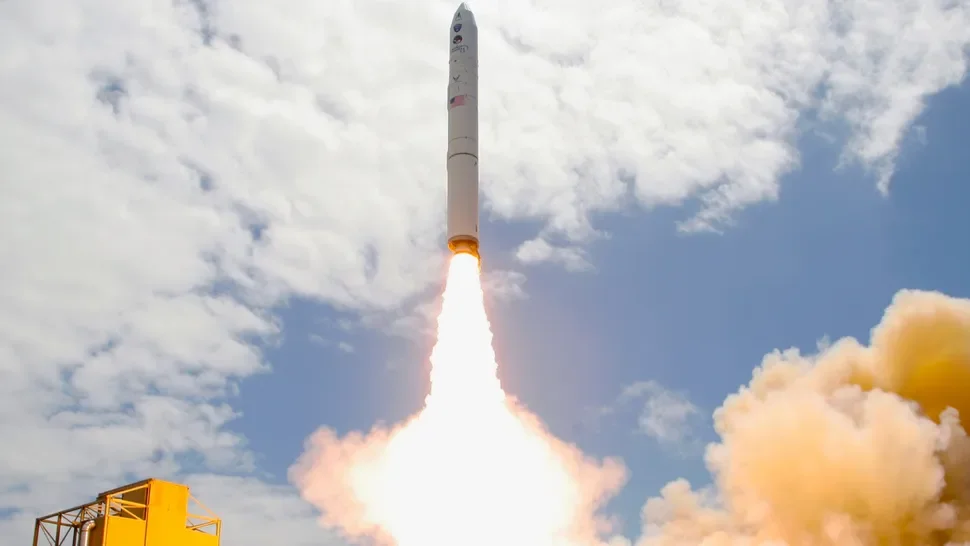
Minotaur IV launches NROL-174. Photo Credit: Northrop Grumman.
Moving on to Firefly Aerospace, which also had a single launch in 2025, of its Alpha vehicle. Alpha launched a mission called Message In A Booster back in April, however the mission ended in failure. Alpha has a spotty track record thus far, but Firefly looks to be moving to new things in 2026 with demo launches of a Alpha Block II, and its new Eclipse rocket slated for sometime in 2026.
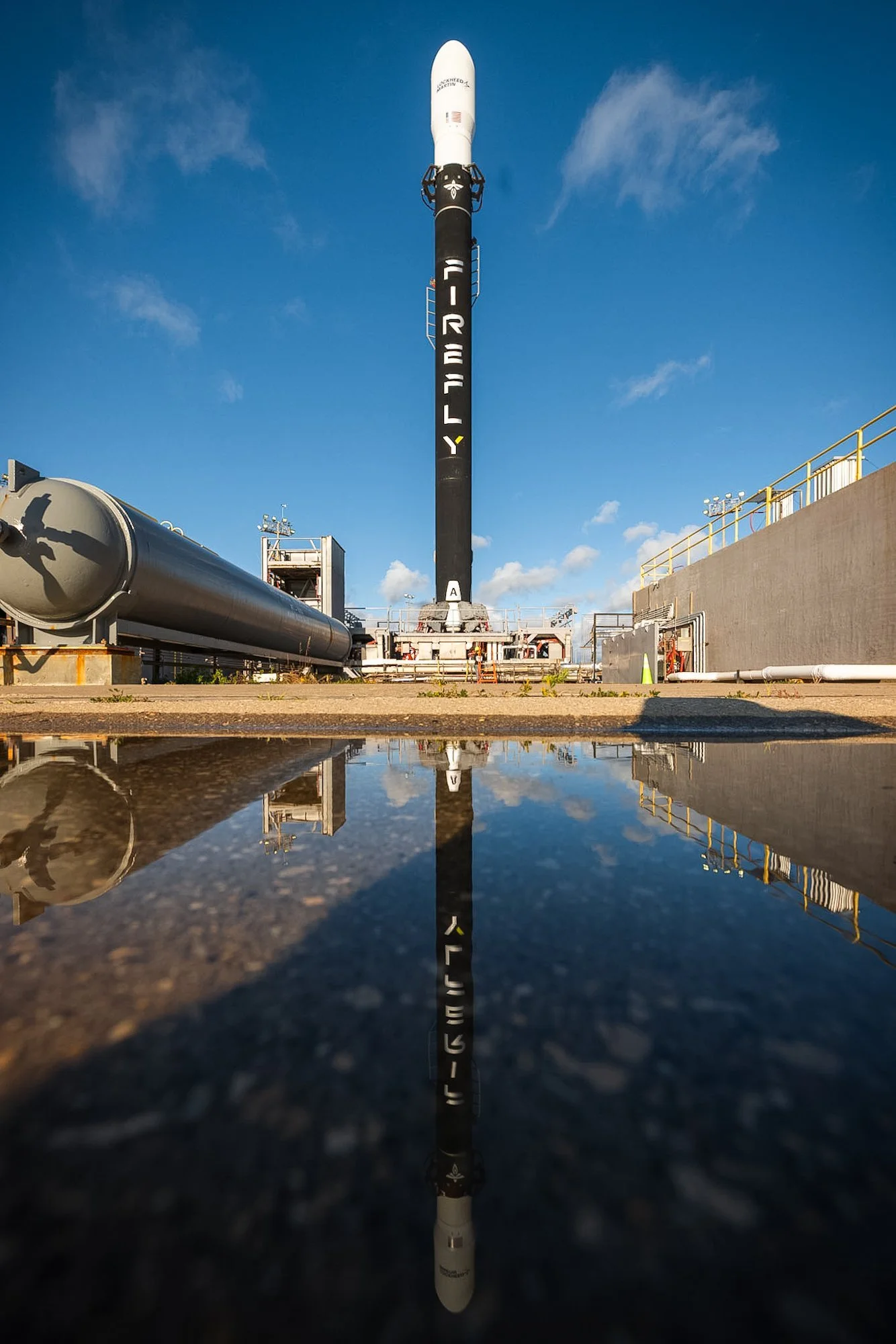
Alpha launches Message In A Booster. Photo Credit: Firefly Aerospace.
Next up is the United Launch Alliance, ULA had more launches this year compared to 2024, despite only launching its new Vulcan rocket one time. Vulcan launched its first national security mission in August of 2025, bringing Vulcan and its capabilities successfully into the options list for the national security apparatus. However, 2025 was a big year for the company’s workhorse Atlas V vehicle. Atlas V launched 5 times in 2025, carrying one payload for ViaSat, and the remaining 4 were launches for Amazon’s Project LEO (formerly Project Kuiper). Atlas V is being phased out in favor of Vulcan, only having 10 flights remaining, four more for Project LEO and the rest dedicated to Boeing’s Starliner program. It is possible that we could see the final commercial launch of Atlas V in 2026.
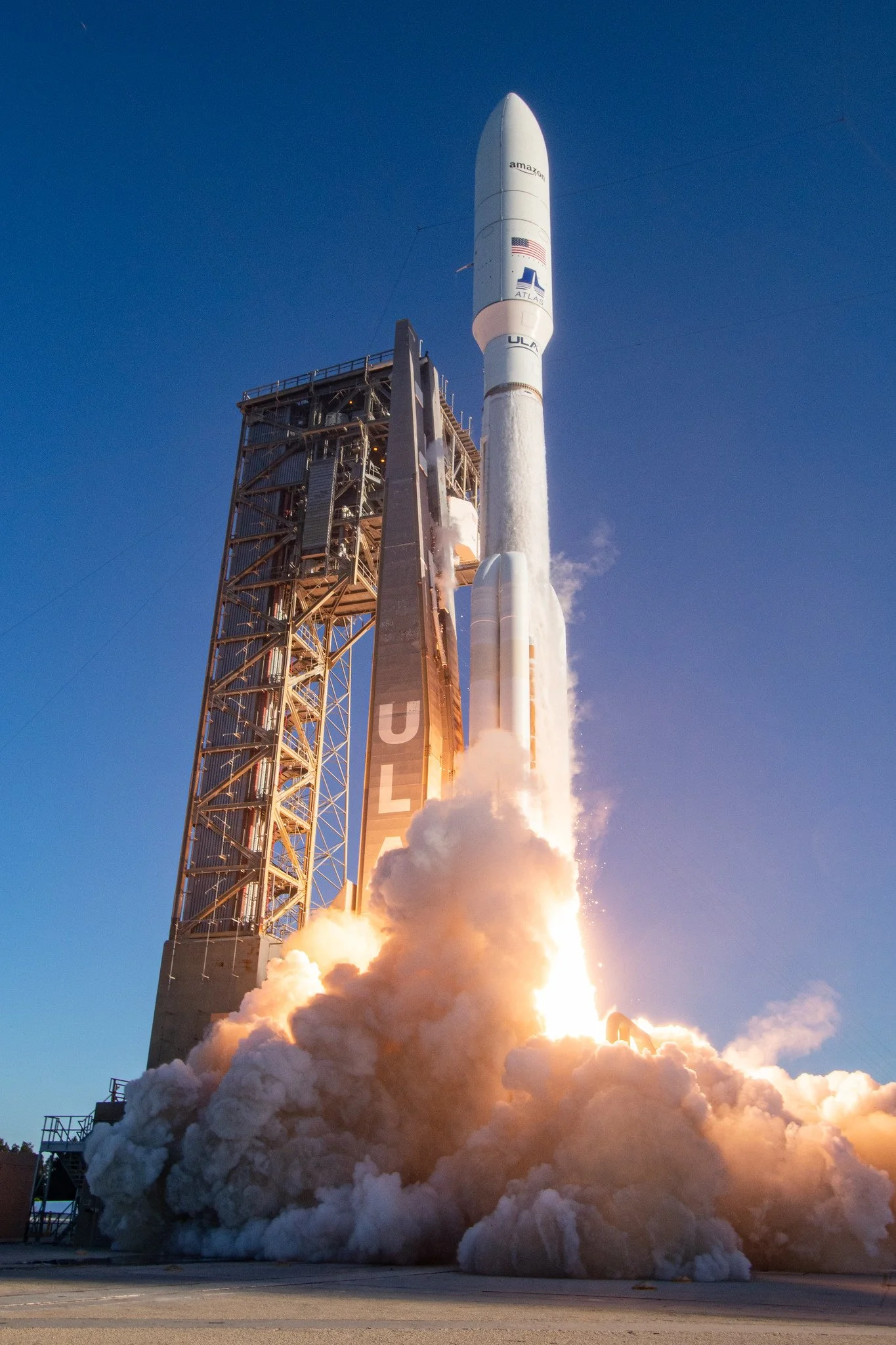
Atlas V launches Amazon LEO (KA-03). Photo Credit: United Launch Alliance.
Blue Origin had itself quite the year in 2025. The company launched its suborbital New Shepard rocket 9 times in 2025, 7 of which were human spaceflights. The fully re-usable rocket, which launches from the desert of West Texas, successfully carried 42 people to space. However, the big jump for Blue this year came from its New Glenn rocket. New Glenn finally got off the ground in early 2025, carrying a pathfinder for the company’s Blue Ring program successfully to orbit on its first flight. The booster, designed to land and be reused, was unable to successfully land on its boat in the ocean. The second flight of New Glenn, launched NASA’s ESCAPADE mission to Mars, and managed to successfully land and recover its booster, quite a feat for the rocket’s second ever launch. In 2026 Blue Origin looks to up the cadence of New Glenn, launching missions for Project LEO and Blue Bird, as well as targeting an uncrewed lunar landing to test its Blue Moon lander. 2026 looks to be a very exciting year for a company that absolutely burst onto the scene in 2025.
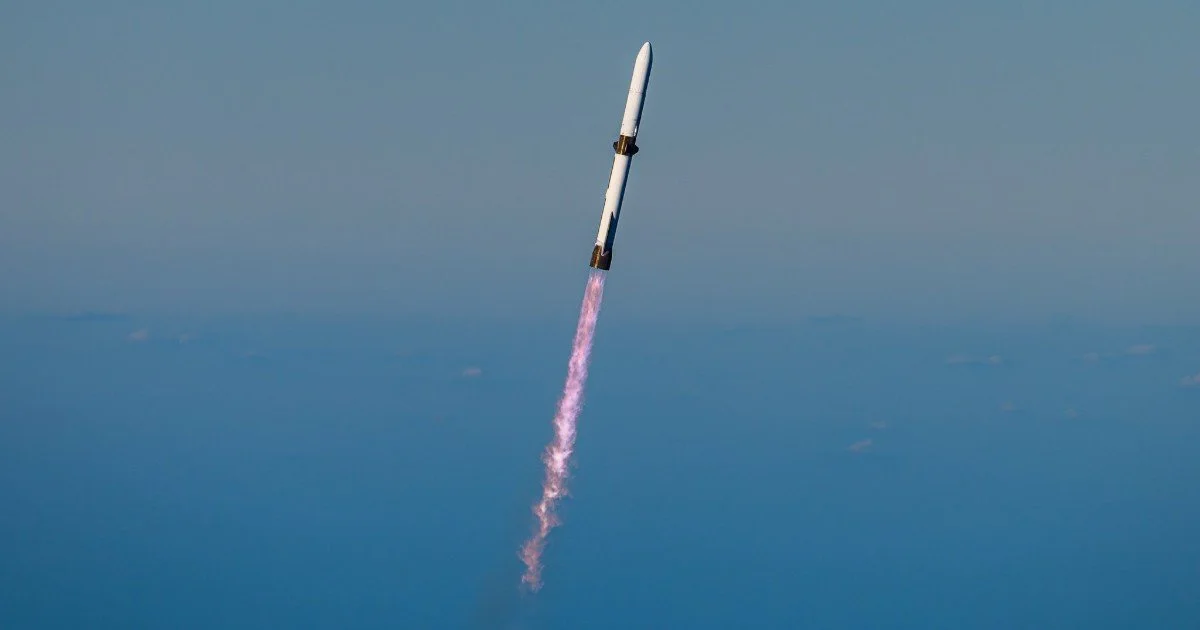
New Glenn launches ESCAPADE. Photo Credit: Blue Origin.
Rocket Lab is another company that saw increased launches in 2025. The company has increased their cadence every year and this year was no exception. Electron launched 21 times in, 18 orbital launches, and 3 suborbital test campaigns. The 3 suborbital launches are launched from Wallops Island, and are usually extremely secretive. I had the pleasure of seeing one live this year while I was in Ocean City in September. Some of the missions launched from Wallops Island in Virginia, the rest were launched from Rocket Lab’s complex at the Mahia Peninsula in New Zealand. While Electron had a record year for itself, one thing we didn’t see was Neutron. A lot of progress was made on flight hardware and pad construction at Wallops during 2025, but ultimately the demo flight of Rocket Lab’s medium lift vehicle was pushed back into 2026. Going into 2026 I would expect to see not only an increased cadence from Electron, but hopefully Neutron’s demo flight does in fact happen (and hopefully I may be able to go see it).
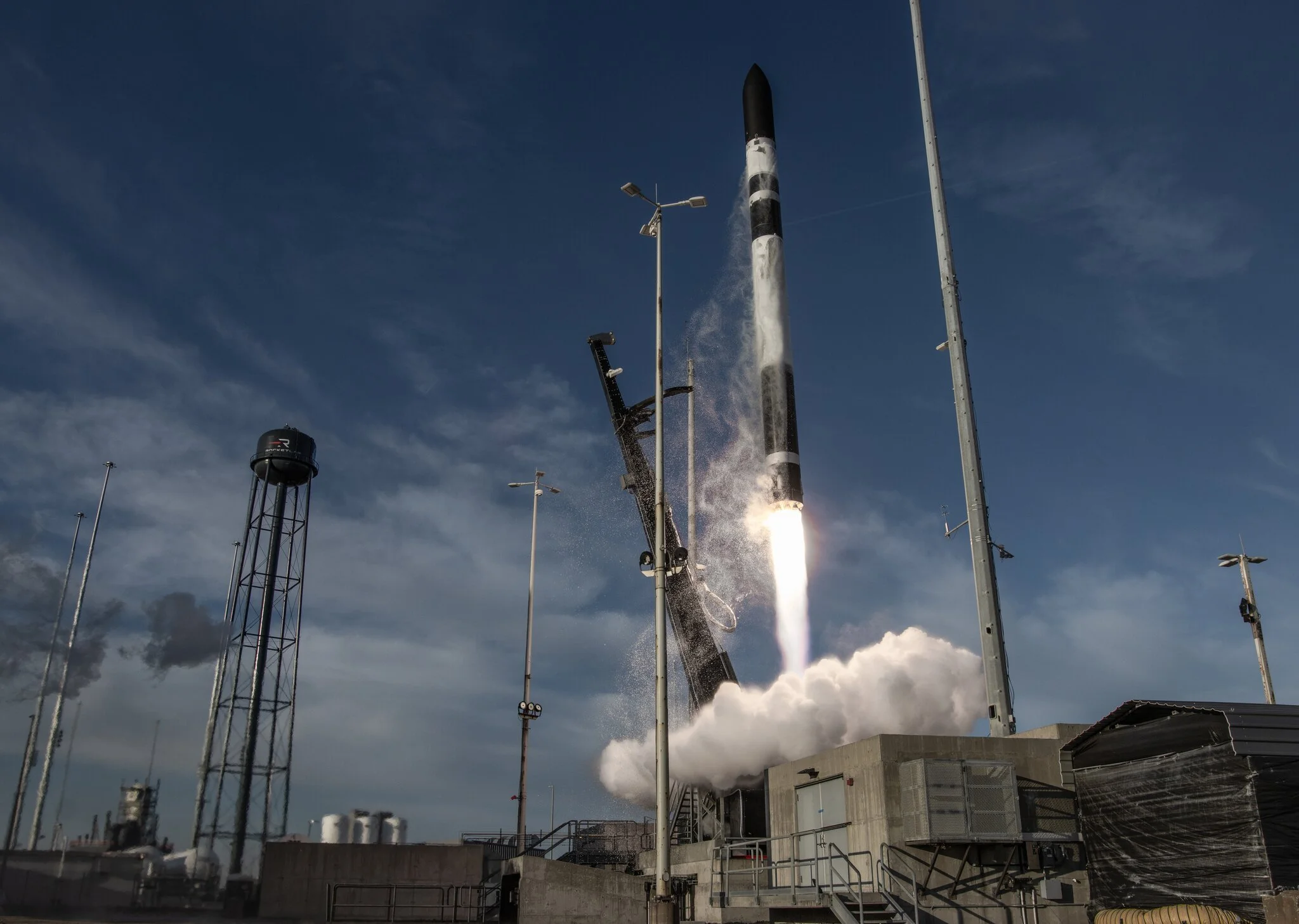
Electron launches Prometheus Run. Photo Credit: Rocket Lab.
At last, we come to the behemoth, SpaceX. Let’s discuss Starship first. Starship in 2024 had a colossal year recording its first successful booster catch, ship landings, and other milestones. 2025 however got off to quite a rocky start, with the first 2 launches of the year not even making it to SECO 1. Starship V2 definitely had its issues, though it did start to redeem itself as it went on. Starship flew a total of 5 flights in 2025, seeing milestones such as ship splashdown, and a simulated Starlink deployment, and finally fixing its in-space engine problems. Moving into 2026 we will see flights from Starship V3, which hopefully gets off to a faster start, and should see the first flights from Pad 2 at Starbase. All in all I am hoping we see increased cadence from the Starship program, as there are still many milestones to achieve.
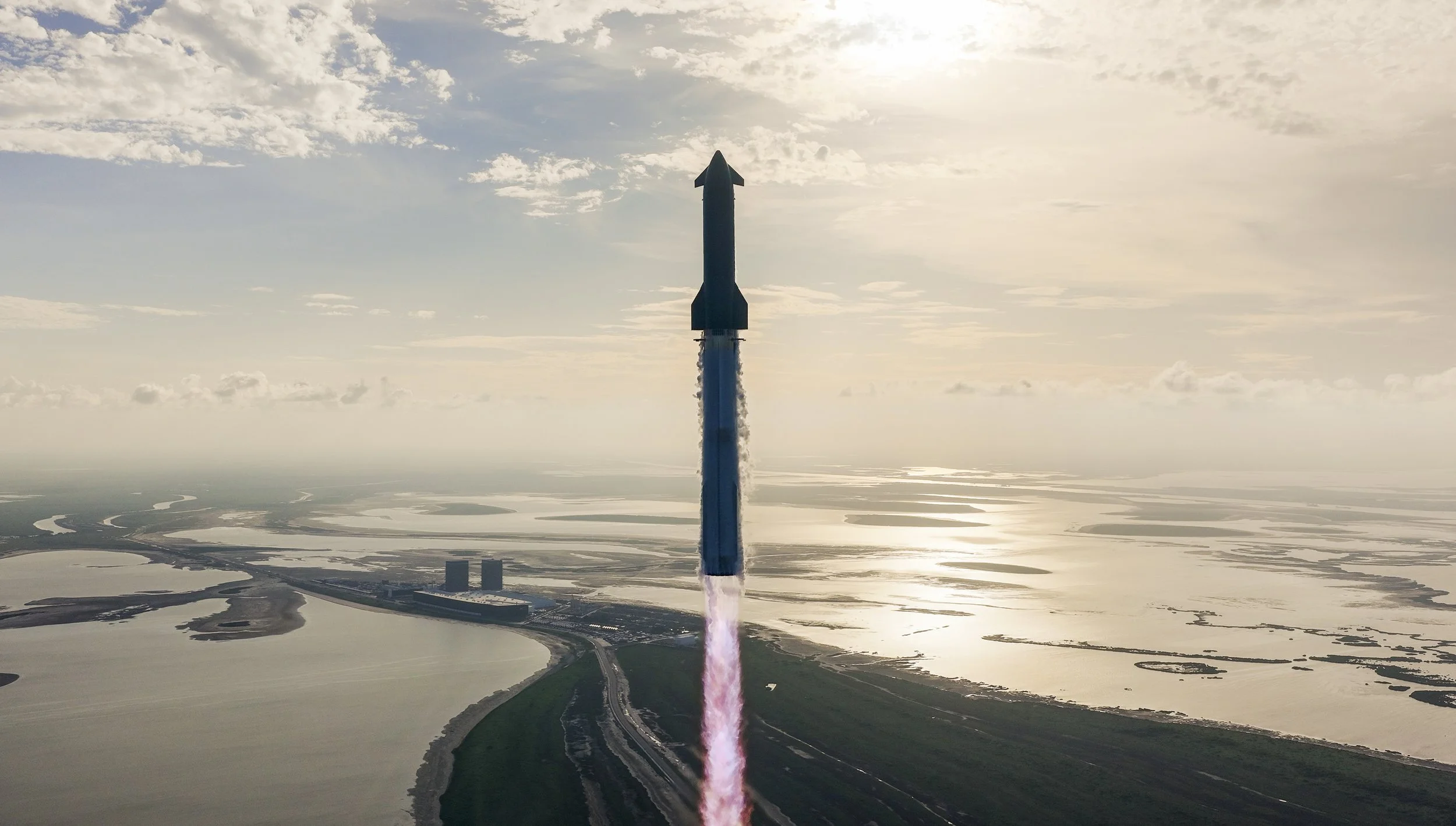
Starship launches its tenth flight. Photo Credit: SpaceX.
Falcon 9. Falcon 9. What is there to say about SpaceX’s venerable Falcon 9 rocket that hasn’t already been said. To call it a workhorse is the understatement of the century. Falcon 9 launched 165 times in 2025, smashing yet another set of records for things like launch cadence, and pad turnaround times. A large portion of these missions were obviously dedicated to the company’s Starlink Program. However, Falcon 9 launched dozens of customer payloads as well from government payloads like NASA and NRO missions, to corporate customers like ViaSat, and Project LEO, to missions to foreign governments like Luxembourg and Spain, to rideshare missions for its Transporter and Bandwagon programs. Falcon 9 also continued another year of servicing the International Space Station with both Crew and Cargo Dragon missions. Falcon 9 remains the absolute peak of the launch industry, and I certainly do not see that changing any time soon. Especially given that a new launch complex is being fitted for Falcon launches at SLC-6 Vandenberg, giving Falcon 9 a fourth potential launch site.
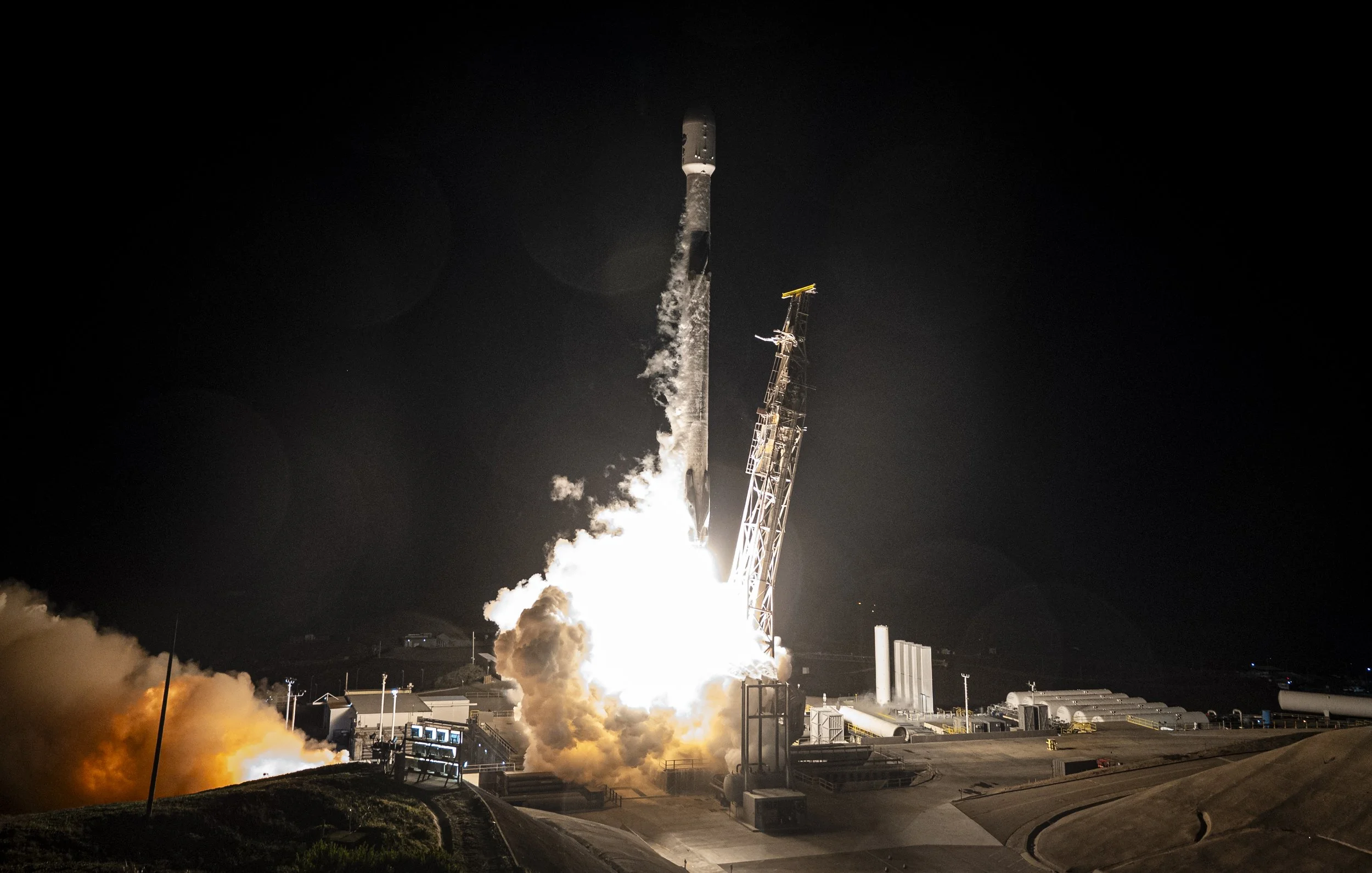
Falcon 9 launches SPHEREx & PUNCH. Photo Credit: SpaceX.
Wow. What an article, what a year. Some entities saw increased cadence, some saw decreased cadence for various reasons. China definitely saw a big uptick in launch capacity, and I wouldn’t expect them to slow down going into 2026. There were some entities/rockets that did not launch at all in 2025, there was nothing from North Korea, and nothing from Iran. There were sadly zero Falcon Heavy launches in 2025, though that problem appears that it will be remedied in the year to come. We also have some potential demo flights to look forward to in 2026, Neutron, Pallas 1, Tianlong 3, and Soyuz 5 to name a few. The SLS that will carry Artemis II to the moon is currently on the pad undergoing pre-flight testing, and is slated for launch in early February, a definite highlight to look forward to. 2025 was truly an incredible year, 341 launches in 365 days. Imagine talking to someone 50 years ago, or even 15 years ago, telling them that there would be that kind of launch cadence, I don’t think they would have believed you. 2025 was a great year for me here at TWS, a full year of consistently doing The Weekly Rocket Report, and I managed to slide another article or two in there. A great year for me personally too, big accomplishments at my job, got invited to fly at various kite festivals up and down the east coast. As always to anyone who reads these, thank you so much. I hope they are enjoyed, as much as I enjoy writing them.
As always feel free to write to me at rickyew2112@gmail.com, or find me on X @Rickyew2112
Sic Itur Ad Astra
(Thus They Journey to the Stars)